Exploring the World of Stand-Up Paddleboarding


Intro
Stand-up paddleboarding, often referred to simply as SUP, has really carved its niche in the realm of water sports. It’s not just about gliding on the surface of water—it’s an experience built around balance, physical engagement, and a unique interaction with your surroundings. As its popularity swells, so does the need for clear guidelines and understanding. Expect to uncover everything from the basics of paddleboarding to advanced techniques that seasoned riders swear by.
Paddleboarding combines elements of surfing, kayaking, and even yoga. Whether you're out on a calm lake or tackling ocean waves, the versatility of this watercraft suits a wide array of water enthusiasts. Understanding its rich history, various designs, and practical techniques can open up a world of exploration on the water.
In this comprehensive guide, we’ll delve into those critical elements:
- The techniques that make up the backbone of paddleboarding for novices and experts alike.
- Essential gear that ensures a safe and enjoyable paddleboarding experience.
- Insights into the best locations around the world for paddleboarding adventures.
Fueling your knowledge not only enhances your skill set but ensures that you appreciate every moment spent on the water.
Let’s embark on this exploration and enrich your stand-up paddleboarding journey!
Definition of Stand-Up Paddleboard
The definition of stand-up paddleboard (SUP) serves as the foundation for understanding not just the craft itself, but also its profound impact on the watersport community. The sport has quickly become a staple in recreational activities, taking the essence of surfing and combining it with paddling for a unique experience on the water. This dual-action approach allows both leisure and fitness enthusiasts to immerse themselves in the beauty of nature while engaging in a fulfilling physical activity.
The stand-up paddleboard is typically a larger and more stable design compared to a surfboard. It’s flat and buoyant, enabling users to stand upright while propelling themselves across various bodies of water, be it still lakes or choppy ocean waves. This versatility makes paddleboarding an engaging sport for people of all ages and skill levels, appealing to adventurers and tranquility seekers alike.
Understanding the nuances of what makes a stand-up paddleboard unique—its dimensions, construction, and purpose—helps prospective users to appreciate the craft's role within the broad spectrum of water-related activities.
Basic Overview
A stand-up paddleboard has a simple yet effective design. Essentially, it's a long, supportive board that allows seasoned paddlers to perform challenging maneuvers and also welcomes newbies finding their feet—literally—on the water. These boards typically fall into two primary categories: inflatable and rigid, each with its own set of advantages and drawbacks.
Inflatable boards are favored for their portability. They can be deflated and rolled into a compact size for easy storage and transportation, perfect for outdoor adventures that may require a trek to the water’s edge. Rigid boards, made of materials like fiberglass or epoxy, offer superior performance in terms of speed and rigidity, thus enhancing stability during use.
Some key features of stand-up paddleboards:
- Flat surface for standing
- Longer length, generally between 10 to 12 feet
- Width between 30 to 36 inches to ensure stability
- Built-in handles for easy carrying
What sets SUPs apart in the realm of board sports is their conducive nature; unlike traditional surfing, paddling involves a broader spectrum of accessibility, allowing more folks to take to the water and experience the thrill and serenity paddleboarding offers.
Differences from Traditional Board Sports
The distinction between stand-up paddleboarding and more traditional board sports, such as surfing and windsurfing, can be subtle yet profoundly significant. For one, paddleboarding allows individuals to explore vast expanses of water at their own pace.
Here's a few critical differences:
- Accessibility: Unlike surfing, paddleboarding doesn't require specific wave conditions to be enjoyable. Paddlers can glide across calm lakes and rivers, broadening the demographic of participants.
- Technique: Paddleboarding emphasizes balance and core strength, whereas surfing leans heavily on timing and wave navigation. SUP provides a more inviting entry point for those still working on their balance or seeking an alternative to the fast-paced nature of traditional surfing.
- Activity Diversity: With SUP, users can transition seamlessly between activities like yoga on the water, fishing, or touring, creating a multifaceted experience that traditional watersports don't often encompass.
As such, the unique characteristics of stand-up paddleboarding not only cater to a diverse audience but also promote a community-focused mindset where the joy of being on the water can be shared, celebrated, and explored together.
Historical Background of SUP
The historical background of stand-up paddleboarding (SUP) is not just a tale of evolution in a sport; it's a narrative wrapped around culture, geography, and human innovation. Understanding where SUP comes from provides vital context to its current form and culture. It underscores the sport's significance and its ever-growing popularity among outdoor enthusiasts and athletes alike. The intriguing story of paddleboarding fills a historical quilt, threading regional traditions with contemporary advancements in design and usage. This background serves as a foundation, illustrating how various influences have shaped today's diverse landscape of paddleboarding.
Origins of Paddleboarding
Paddleboarding's roots stretch back to ancient Polynesian culture. Originally practiced as a means to fish and navigate the waterways, these early paddleboarders relied on an efficient technique to reach distant fishing spots. The simple yet effective design of their wooden boards laid the groundwork for what we now recognize as paddleboards.
As the narrative unfolds, we see how the practice migrated across the globe. In the 1930s, Hawaiian beach boys rekindled the old craft but added a twist. They embraced the joy of riding waves while standing on the boards. Utilizing large surfboards, these individuals would paddle out to the waves and provide surf lessons, thereby laying the groundwork for the modern paddleboarding we know today. This melding of utility and sport highlighted the inherent versatility of paddleboards and initiated their journey towards widespread popularity.
Evolution Over the Years
The evolution of stand-up paddleboarding reflects broader trends in water sports and recreation. As the tide turned into the late 20th century, paddleboarding transitioned from a niche activity to a mainstream sport. The introduction of new manufacturing materials dramatically transformed the design and accessibility of paddleboards.
In the early 2000s, inflatable SUPs emerged, making the sport more accessible for those who lacked storage spaces. Not to mention, this innovation made transport less cumbersome; a once hefty board could now fit easily in your car trunk.
The rise of interest in health and wellness contributed to paddleboarding's popularity as well. Many began to view paddleboarding not just as a water sport but as an avenue for fitness that combined workout and relaxation. Yoga boards, specifically designed for balance and stability, began taking center stage, attracting yogis eager to blend their practice with the serenity of water.
With the rapid growth of SUP as a recreational option, competitions gained traction, too. Local and national events began springing up, drawing both casual enthusiasts and serious athletes. These competitions often showcased not only skill but also community spirit, intertwining the sport with collective experiences that celebrate both competition and connection.
The important aspects of paddleboarding’s history remind us that while today’s boards may be engineered with cutting-edge technology, they are still deeply rooted in traditions that span generations. From fulfilling a basic need for fishing to becoming a widely embraced recreational activity, each phase of paddleboarding's evolution has underscored its cultural significance and adaptability over time.
These changes reflect more than just advances in materials; they embody the spirit of discovery and connection to nature, making stand-up paddleboarding a deeply enriching experience. The growth continues, fueled by a world-wide community of paddleboarding enthusiasts eager to explore what lies beyond the horizon.
Types of Stand-Up Paddleboards
Understanding the various types of stand-up paddleboards (SUPs) is crucial for anyone looking to dive into this exciting water sport. Selecting the right board depends on your goals, skill level, and the environments you'll be exploring. Each type of board serves a specific purpose, ensuring the best performance and enjoyment based on how one intends to paddle. Here, we’ll delve into two primary categories: inflatable and rigid boards, as well as the specialties found within the SUP world.
Inflatable vs. Rigid Boards
When it comes to stand-up paddleboards, the choice between inflatable and rigid boards can be a bit of a game-changer. Inflatable boards are characterized by their lightweight nature and ease of transport. They can be deflated and rolled up, making them perfect for those with limited storage space or for travelers. One significant advantage is that they’re often more durable in terms of resistance to bumps and scrapes; you can go hard on an inflatable board, and it often won’t suffer waves of damage. However, some paddlers feel that rigidity in the water is crucial for stability and performance, leading them to choose rigid boards instead. These boards offer a solid platform, translating to improved responsiveness. They tend to be faster and glide better through the water, especially beneficial for serious enthusiasts and racers. While rigid boards are typically heavier and require more storage space, they can provide a thrilling ride for those who prioritize speed and precision.
Specialty Boards
Stand-up paddleboarding isn't monolithic; various styles cater to different paddling activities and skill levels. Here’s a closer examination of the most popular specialty boards:
Racing Boards
Racing boards are designed for speed and efficiency on the water. Their elongated shape and streamlined design cut through waves with minimal drag, making them a favorite among competitive paddlers. The key characteristic of these boards is their narrow width, which enhances speed but can also impact stability. For racers, this trade-off is often well worth it, as it allows them to achieve impressive times during events. One unique feature is the length—often exceeding 14 feet—providing a gliding experience that’s unrivaled in shorter boards. The downside? If you're a beginner, the narrowness may make balancing a bit of a challenge.
All-Around Boards
All-around boards are probably the most versatile option out there, suitable for a wide range of activities from casual paddling to light surfing. Their balanced design makes them user-friendly for a variety of skill levels. The hallmark of these boards is their moderate width, providing a sturdier base that can handle different conditions—be it calm lakes or small waves. Because of their adaptability, all-around boards are a popular choice for beginners. They strike a nice balance between speed, stability, and ease of use. However, if you aim for specific activities like racing or surfing, an all-around board may not excel in either area compared to specialized boards.
Touring Boards
For those who enjoy long-distance paddling, touring boards come highly recommended. These boards are equipped with features such as increased length and storage options for carrying gear, making them especially useful for multi-day paddling excursions. The design caters to efficiency, with a pointed nose that helps it slice through water with less resistance. The added stability makes them reliable for long treks across lakes or coastal areas. However, they may not be ideal for recreational paddlers who prefer short, leisurely outings due to their size and weight.
Yoga Boards
Yoga boards are specifically crafted for practice on the water, featuring a wider surface and added stability—perfect for those who embrace tranquility amid nature. Their key characteristic is the non-slip deck, which helps practitioners maintain balance while engaging in poses. A unique feature is the ability to integrate bungee cords for securing water bottles or personal items, enhancing the experience on the water. As relaxation and mindfulness are priorities in yoga, these boards contribute significantly to creating a serene paddleboard practice. On the flip side, the emphasis on stability can limit the performance internationally, making them less suitable for high-speed paddling or competitive use.
"Choosing the right board can make or break your paddleboarding journey."
In summary, the range of SUPs available caters to a wide audience, from thrill-seekers to casual enthusiasts. Each type offers distinct characteristics and advantages, ensuring that everyone can find a suitable board that aligns with their paddling aspirations.
Core Components of a SUP
Understanding the stand-up paddleboard (SUP) requires a closer look at its core components. These elements play a crucial role in how well the board performs on the water, and understanding them enriches the paddling experience. Each part of the board contributes differently to stability, maneuverability, and overall enjoyment. Let's dive into these fundamental elements.
Deck
The deck is the surface of the paddleboard where the paddler stands. It’s typically made of non-slip materials to provide traction, ensuring you don’t take an unplanned plunge into the water! A quality deck enhances safety and comfort, allowing better foot placement for optimal balance. Some boards even feature additional cushioning, which can be great for yoga or long paddling sessions. The width and shape of the deck also affect stability; a wider deck generally allows for better balance, especially for beginners. In contrast, a narrower deck can aid in speed and agility once you build experience and confidence.
Fins
Fins are equally vital to the functionality of a paddleboard. Generally located on the underside of the board, they provide the necessary stability and control, much like the rudder does for a boat. The number and configuration of fins can vary. Some boards come with a single fin, while others showcase a three-fin setup, known as a thruster. Each configuration has its flair—single fins tend to offer better tracking in straight lines, while multiple fins enhance maneuverability.
Fins can also differ in size and shape, affecting speed and control. For instance, larger fins provide improved stability but may slow you down, whereas smaller fins increase speed but demand more skill to maintain control.
Paddle
The paddle is perhaps the most personalized aspect of paddleboarding. It comes in various materials, lengths, and shapes, each tailored to enhance the paddling experience.
Material Choices
When it comes to material, paddles are typically made from plastic, fiberglass, or carbon fiber. Plastic paddles are often the go-to choice for beginners due to their affordability and durability. Fiberglass options offer a good balance between weight and performance, while carbon fiber paddles, although pricier, are lightweight and provide exceptional stiffness, translating to better performance on the water. Each material has its own characteristics, impacting how effectively you can paddle.
Length Considerations
Getting the length of your paddle right is essential for maintaining a comfortable posture and efficient paddling. A paddle that is too short can strain your back or impact your paddling technique. Typically, a paddle should stand about 6 to 12 inches taller than the paddler.
Some paddlers prefer adjustable paddles that allow them to fine-tune the length based on whether they are standing or kneeling or if they’re paddling sitting down. This versatility can be particularly beneficial if multiple users share a board or if you’re navigating through different water conditions.
Choosing the right board is like finding the right pair of shoes; it can make or break the experience.
In summary, each core component of a SUP—deck, fins, and paddle—contributes significantly to your paddling experience. Getting familiar with these elements helps both novices and seasoned paddlers make informed choices and ultimately enjoy their time on the water.
Techniques for Paddleboarding
Mastering paddleboarding requires more than just balancing on the board; it demands an understanding of various techniques that enhance performance and enjoyment on the water. Knowing how to properly execute movements can mean the difference between a smooth glide across the water or a frustrated struggle against the currents. Techniques not only contribute to your efficiency but also improve safety, helping you navigate varying conditions and obstacles effectively. In this section, we will break down the foundational techniques, focusing on the starting position and essential paddle strokes.
Starting Position
The starting position is vital when you're stepping onto a stand-up paddleboard. You want to find your balance before setting off. Stand in the middle of the board, feet shoulder-width apart, and kept parallel. This stance allows for a sturdy foundation, essential for maintaining your center of gravity. Point your toes forward, keeping knees soft and slightly bent to absorb any rocking movements.
- Key Aspects: Keeping your body aligned with the board's centerline helps avoid unnecessary wobbling.
- Considerations: Take note of your surroundings; if conditions are choppy, your stance may need to adjust slightly to aid balance.
Basic Paddle Strokes
Each paddle stroke is a building block in your paddleboarding experience. The three main strokes—forward, reverse, and sweep—offer a range of motion for steering, stopping, and making progress on the water.
Forward Stroke
The forward stroke is the bread and butter of paddleboarding. It is performed by placing the paddle blade in the water near your feet and pulling it back towards your hips in a smooth arch. This stroke is crucial for making headway efficiently.
- Key Characteristic: The forward stroke is characterized by its straightforward execution and immediate propulsion.
- Benefits: It's a beneficial technique for covering long distances because it utilizes core strength, providing greater power with minimal effort when done correctly.
- Unique Feature: It allows for varying intensity; you can adjust speed by altering the force and frequency of your strokes, making it adaptable to both leisurely paddling and vigorous workouts.
Reverse Stroke
The reverse stroke offers a mechanism for slowing and reversing your direction while on the water. Start by planting the paddle blade in the water behind your feet, and push it forward in a similar arch as the forward stroke.
- Key Characteristic: This stroke is essential for controlled stop-and-reverse maneuvers, providing excellent versatility for navigating tight spaces.
- Benefits: The reverse stroke enhances your ability to turn back or slow down in currents without losing balance. It's particularly useful for those moments when unexpected obstacles arise.
- Unique Feature: Unlike the forward stroke, this technique may require a bit more practice to coordinate without losing balance, but the effort pays off by significantly increasing your responsiveness to surrounding conditions.
Sweep Stroke
The sweep stroke plays a key role in effective steering and turning while paddleboarding. To perform this, you start similarly to the forward stroke but, instead of pulling straight back, you sweep the paddle outward and back in a wide arc.
- Key Characteristic: It allows for a great range of travel and is particularly effective for making larger directional changes.
- Benefits: The sweep stroke is advantageous when navigating in waves or currents, providing up to 180 degrees of movement with minimal effort.
- Unique Feature: This technique utilizes rotational strength, making it a more complex but rewarding way to control your board's direction. It's a highly effective maneuver during group paddling and swift waters.
Turning Techniques
Turning your paddleboard efficiently is just as significant as moving forward. There are several techniques to consider, including the pivot turn, where you use the momentum of the paddle to swing the back of the board around, and the cross-bow turn, which allows for quick direction changes by placing the paddle across the board.
Safety Considerations
Safety considerations in stand-up paddleboarding (SUP) are paramount, ensuring that enthusiasts can enjoy their time on the water without unnecessary risks. It’s not just about having fun; it's about doing it responsibly and being prepared for any unforeseen events. Navigating the waterways while standing on a paddleboard requires a keen awareness of one's surroundings, as conditions can change rapidly. Moreover, certain equipment plays a crucial role in elevating safety standards, making it essential for any paddler to fully understand the gear that can protect them.
Personal Safety Gear
Life Jackets
Life jackets are no longer just a formality but a necessity when paddleboarding. They are designed specifically to keep someone afloat in water, making them lifesavers in emergencies. The most common type, the wearable PFD (Personal Floatation Device), offers several advantages. They come in various styles, from vest-type jackets that provide great buoyancy to more streamlined models that allow for freedom of movement. This versatility is what makes them the go-to choice for many paddleboarders.
When it comes to characteristics, look for a universally approved life jacket that fits comfortably without hindering movement. Some have pockets for small items, while others might even have built-in hydration sources for longer adventures. A potential drawback is that not all life jackets are equally comfortable, and the bulkier styles may make paddling a bit tricky for some. However, the security they provide in critical situations far outweighs these minor inconveniences. It’s a wise choice to opt for a life jacket whenever you're on the water.
Leashes
Leashes are another safety essential in the world of SUP. The purpose of a leash is simple: it keeps your board close to you, especially during falls or choppy waters. This piece of equipment acts like a lifeline, ensuring your board doesn’t drift away while you're trying to regain your balance or resurface after a fall. Most commonly used is the cuffed leash variety, which attaches around your ankle or calf, allowing for quick retrieval if you find yourself in the drink.
A key characteristic of leashes is their strength and elasticity. Good quality leashes can withstand the pull of waves and strong currents. While it may seem a bit cumbersome at first, having a leash allows for a more relaxed experience on the water, without the constant worry of losing your board. That said, some may argue that leashes can lead to potential entanglement issues or pull a paddler unexpectedly during a fall. Yet, the benefit of keeping your equipment close typically outweighs these concerns.
Environmental Awareness
Understanding the environment in which you paddleboard is just as essential as wearing the right gear. Not only does being aware of your surroundings help you avoid potential hazards, but it also ensures that you respect the ecosystems you're part of. Awareness encompasses knowing about local wildlife, potential water contaminants, and understanding weather patterns. Being informed promotes a safer and more sustainable experience for not only yourself but for future paddlers as well.
By practicing good environmental awareness, paddlers contribute positively to the preservation of nature, ensuring that the waters remain enjoyable for everyone. The relationship between humans and nature can be harmonious if approached with respect and consideration. For more discussions on this topic, resources such as EPA.gov provide valuable insights into maintaining a balance while enjoying outdoor activities.
Choosing the Right Board
Selecting the right stand-up paddleboard (SUP) can make a world of difference in your paddling experience. This decision is not merely about picking the first shiny board that catches your eye; it's a strategic choice grounded in your unique needs, skill level, and intended use. Choosing the correct board ensures both comfort and performance on the water, which ultimately leads to a more enjoyable experience.
Considerations before making your choice:
- Skill Level
- Activity Purpose
- Size and Weight of User
A paddleboard tailored to your skill level, paired with your intended usage, can transform you from a novice struggling to stay upright to a seasoned paddler gliding effortlessly across the water.
Skill Level Considerations
When it comes to paddleboarding, your skill level plays a pivotal role in determining which board fits you best. For beginners, wider boards offer added stability, making it easier to maintain balance while paddling. Conversely, more experienced paddlers may prefer narrower boards that allow for greater speed and maneuverability.
In more detail:
- Beginner: Generally, opt for an all-around board, perhaps around 10 to 11 feet in length, featuring a broader width to enhance stability. A board with a flat hull is beneficial, especially when you're starting out. This encourages you to feel comfortable on the water without constantly worrying about tipping over.
- Intermediate: As you grow in confidence and skill, consider a hybrid board. This can offer more speed while keeping stability in focus. A length of about 11 to 12 feet will best serve your purposes.
- Advanced: For seasoned paddlers, specialized boards such as racing or touring boards come into play. These are typically longer and narrower, allowing for higher speeds and better efficiency. Such boards require a higher skill level due to their specialized nature.


Weight and Size Factors
Another significant factor is your weight and size. It might seem like a small detail, but it matters in terms of buoyancy and performance on the water. Each board type supports different weight ranges, and understanding this can assist in maximizing your paddling experience.
Look into the following points:
- Board Volume: A board’s volume and capacity dictate how much weight it supports while maintaining performance. The higher the volume, the more weight the board can handle without compromising stability.
- Length & Width: Men typically need longer boards than women for optimal performance.
- Personal Weight: A heavier paddler may be more comfortable on a wider board designed for higher weight capacities, while a lighter paddler might excel on a narrower board that offers speed.
By properly evaluating your skill level and personal dimensions, you'll position yourself to select the optimal paddleboard that enhances your overall experience.
"Paddleboarding is not just about the board you pick; it’s about how well you connect with it on the water."
When in doubt, don’t hesitate to visit local shops or reach out to paddleboarding groups to get hands-on experience with various boards. Explore community dialogue on platforms like Reddit or check out guides on Wikipedia for further insights. Quality guidance from seasoned enthusiasts can help steer you in the right direction.
Gear Recommendations for Paddleboarding
When it comes to stand-up paddleboarding, having the right gear can make a world of difference. The gear you choose can enhance your overall experience on the water, improve safety, and ensure you're prepared for various conditions. In this section, we will delve into essential accessories and apparel choices that can help paddlers of all skill levels make informed decisions.
Essential Accessories
Dry Bags
A vital companion for any paddleboarder, dry bags are designed to protect your belongings from water exposure. They are especially useful for storing items like clothes, food, and electronics when you’re out on a long paddle. One of the standout features of dry bags is their waterproof material, often made from robust nylon or PVC. This characteristic safeguards your items from potential water damage.
The best thing about dry bags is their versatility. You can find them in various sizes, so it’s easy to choose one that fits your needs. Some even come with a roll-top design, which creates a tight seal to prevent water from getting in. While they do have a couple of drawbacks – like being slightly bulky when packed – their protective qualities far outweigh these cons, making them an excellent choice for both casual outings and intense paddling adventures.
Cell Phone Cases
In today’s digital age, a cell phone case might not be the first thing that springs to mind while preparing for a paddleboarding trip, yet it plays a crucial role. These cases are specifically designed to keep your phone safe from water, dirt, and shock. They often feature a transparent front, allowing you to use your phone without taking it out of the case. This is especially beneficial if you’re taking photos or following navigation apps.
The unique feature of most waterproof cases is their buoyancy – many can float if accidentally dropped in the water. This ensures that your phone won’t sink to the bottom, sparing you from a hefty replacement cost. However, it’s worth noting that not all cases are created equal, and cheaper options might not provide complete waterproofing. Thus, investing in a reputable brand is advisable to avoid disappointment.
Apparel Choices
Choosing the right apparel for paddleboarding is just as crucial as selecting the right board and accessories. The weather can change in the blink of an eye, and being prepared can prevent discomfort and ensure safety.
Wetsuits
A wetsuit can be a paddler's best friend, particularly in chilly waters. They act as an insulator, keeping you warm even when wet. Made usually from neoprene, wetsuits work by trapping a thin layer of water against your skin which then warms up to your body temperature. This feature makes wetsuits a popular choice for maximizing comfort during those longer stints on the board.
Wetsuits come in various thicknesses, catering to different climates scenarios. However, they can feel restrictive for some paddlers, especially if you choose a thicker design for warmer weather. It's a trade-off between warmth and freedom of movement, and many find that a lighter suit or even board shorts do the trick in milder temperatures.
UV Protection
Sun safety cannot be overstated. UV protection apparel, designed to shield you from harmful rays, is an indispensable part of any paddleboarder’s gear. These clothes are often made from special fabrics that filter out UV radiation, reducing your risk of sunburn and skin damage significantly.
One of the main advantages of UV protective clothing is that it allows you to enjoy long hours on the water without having to constantly reapply sunscreen. However, lighter colors tend to be more comfortable on hot days since they reflect sunlight rather than absorbing it. While these garments can be a bit pricier than regular clothing, the added protection is well worth the investment folks.
Protective gear isn’t just about comfort; it’s about ensuring you can enjoy paddleboarding to its fullest!
Whether you are hitting tranquil lakes or catching waves, having the right gear can make your paddleboarding experience safe and enjoyable. For those looking to further explore gear recommendations, community forums such as Reddit can provide real-time feedback and insights from seasoned paddleboarders.
Furthermore, for the best gear comparisons, check out helpful resources like Britannica and Wikipedia for comprehensive articles. Collective wisdom and firsthand accounts can be invaluable when gearing up for your next adventure!
Popular Paddleboarding Destinations
Exploring the right destinations for stand-up paddleboarding (SUP) is crucial for enthusiasts looking to make the most of their time on the water. From serene lakes to the boundless ocean, each location provides a distinctive experience, enhancing the adventure while ensuring safety and enjoyment. Whether an expert paddler or a newcomer, choosing ideal spots to paddle can elevate skills and create memorable moments.
Lakes and Rivers
When it comes to paddleboarding, lakes and rivers often serve as welcoming initation points for many. The calm waters of lakes are perfect for novices, providing a stable environment to develop basic skills. Picture a placid lake, surrounded by lush trees, with the long summer sun casting a golden hue on the water. The absence of waves and currents makes these areas ideal for a leisurely paddle, where you can focus on your balance and strokes without feeling overwhelmed.
Furthermore, lakes often boast a variety of scenic views, wildlife, and picnic spots nearby which can turn a simple paddleboarding outing into an all-day outdoor adventure. Local lakes, such as the glimmering Lake Tahoe in California or the serene Flathead Lake in Montana, offer stunning backdrops that can make any paddle feel more exciting.
Some benefits of paddleboarding in lakes and rivers include:
- Accessibility: Many lakes and rivers are easily reachable, making them convenient options for a weekend getaway.
- Scenic Views: Natural surroundings provide lovely views that can enrich your paddling experience.
- Wildlife Watching: Close encounters with nature, such as birds and small mammals, are common in these tranquil settings.
- Lower Costs: Often, local lakes have fewer fees than ocean-based spots, ideal for budget-conscious paddlers.
Ocean Paddleboarding Locations
While lakes provide great introductory experiences, ocean paddleboarding offers unparalleled adventure for those seeking thrill and challenge. The vast expanse of the ocean invites paddlers to explore marine life, coastline views, and unique surf conditions. Ocean paddling can be vastly different, requiring a more thorough understanding of tides, waves, and weather conditions that could change the game quickly.
Consider spots like the vibrant waters off Maui or the picturesque beaches of Laguna Beach in California. These locations are not only known for their favorable paddle conditions, but they also provide chances to see dolphins and other sea life in action. The surf culture here is palpable, where paddling out can easily turn into a surf session.
Key considerations for ocean paddleboarding include:
- Tidal Awareness: Understanding tides and currents is essential for safety and navigation.
- Wave Conditions: Learning how to navigate waves and varying sea conditions can truly enhance your skill as a paddler.
- Longer Distance: The distance traveled can be greater on the ocean, so paddlers should come prepared, knowing when to push boundaries.
- Additional Gear: Ocean conditions may require more safety gear, like leashes and whistles, to ensure you remain secure on the water.
As a paddleboarder, the experiences you gather from various locations will not only build your skills but also create a tapestry of ocean adventures that stay with you long after you land your board.
In summary, the quest for the perfect paddleboarding destination is about balancing personal comfort with the thrill of new experiences. Whether gliding across a tranquil lake or navigating ocean waves, choosing the right spot contributes significantly to the overall joy of paddleboarding.
Community and Events
Community involvement is a lifeblood in the world of stand-up paddleboarding. As this sport grows, both newcomers and seasoned paddlers find immense value in connecting with one another. Not only does this networking foster a spirit of camaraderie, but it also facilitates knowledge-sharing, skill development, and perhaps most importantly, a deeper appreciation for the environment and shared water spaces. In this section, we will delve deep into the richness of paddleboarding competitions and local paddleboarding groups—two key components of this vibrant community.
Paddleboarding Competitions
Race Formats
When we talk about race formats in paddleboarding, we are essentially discussing the structure through which athletes compete. The formats are diverse, catering to a range of skill levels and interests. One popular choice is the sprint race, which covers short distances at a fast pace. This format keeps the adrenaline high, offering spectators an exciting experience as they cheer on paddlers sprinting to the finish line.
Another notable format is the distance race. Unlike the sprint, this one tests endurance, demanding that participants paddle over longer stretches. This type of competition is not merely about speed; strategy plays a huge role in conserving energy while navigating the course. Its challenge attracts paddlers looking to truly push their limits.
The unique aspect of these race formats lies in their adaptability. Different communities can design races around local geography, whether it's waves or flat waters. However, these variations sometimes lead to disagreements among paddleboarders about the preferred style, causing the creation of multiple events that cater to each preference.
Judging Criteria
Judging is another critical facet of the competitive paddleboarding scene. The criteria may vary depending on the race type or event, but several core expectations remain consistent. Factors like speed, technique, and even the ability to manage environmental challenges all weigh heavily in determining the overall performance of each paddler.
Among the unique qualities of paddleboarding competitions is the emphasis on technique. Judges pay keen attention to how a paddler maneuvers, the strokes they choose, and their overall efficiency in navigating the course. This attention to detail can set apart the experienced competitors from the novices, giving them a competitive edge.
This rigorous structure means that all participants have the opportunity to gain insights and improve their skills, regardless of where they start. However, this also presents drawbacks. The pressure of competition can sometimes eclipse the enjoyment that paddleboarding offers.

Local Paddleboarding Groups
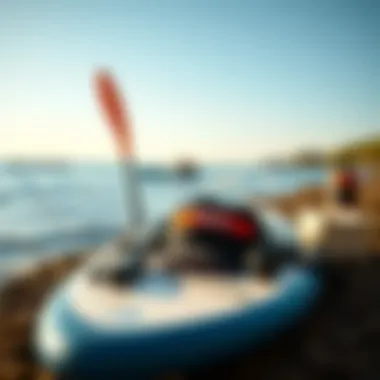
Local paddleboarding groups act as the connective tissue of the paddleboarding community. These groups serve as a platform for paddlers of all abilities—be it beginners finding their feet or seasoned veterans honing their craft. Often, they organize events, those friendly meet-ups, weekend excursions, or even training sessions that cultivate a sense of belonging.
Benefits of joining such groups are myriad. First off, it's an excellent way to learn from more experienced paddlers who may share tips on techniques, gear, or even the best locations to paddle. These informal gatherings often come with a relaxed vibe, making it easy to ask questions or seek advice from fellow enthusiasts. Moreover, the camaraderie provides motivation, making it less likely for newcomers to feel isolated in their aspirations.
Beyond the personal growth aspect, these groups contribute to environmental stewardship. By participating in cleanup events or educational workshops, paddleboarders can raise awareness about local water ecosystems, fostering a culture of respect and responsibility towards the environment.
Connecting with others not only elevates your paddleboarding experience but also enhances your understanding of the sport's impact on local waters.
Engaging with both competitions and local groups enriches the journey of every paddler, forges lasting friendships, and ensures that this beloved sport continues to thrive.
The Environmental Impact of Paddleboarding
The significance of understanding the environmental impact of paddleboarding cannot be overstated. As the popularity of this water sport continues to surge, it’s crucial for paddlers to recognize how their activities influence the ecosystems they navigate. From the unique waterways to the marine life that inhabits them, every stroke of the paddle can have consequences, both positive and negative.
Adopting a balanced perspective on paddleboarding helps enthusiasts enjoy their time on the water while protecting the natural habitat. This section elaborates on two vital components: ecosystem awareness and sustainable practices.
Ecosystem Awareness
Ecosystem awareness is all about understanding the intricate web of life that exists within the waterways where paddleboarding takes place. Many paddlers may not realize the delicate balance that exists in aquatic environments, which can be disrupted by human activities. For instance, entering shallow areas can damage vegetation that’s crucial for maintaining health in lakes and rivers. The roots of these plants not only stabilize the soil but also provide shelter for fish and other wildlife.
Some of the critical points related to ecosystem awareness include:
- Species at Risk: Paddleboarders should be mindful of sensitive species that may be nesting or spawning near shorelines. Disturbing these areas can lead to reduced populations and biodiversity.
- Water Quality: Turbulence created by paddling can stir up sediments, altering the clarity and quality of water, which can affect aquatic life.
- Invasive Species: Paddlers are often unwitting carriers of invasive species, which can hitch a ride on boards and equipment. Regularly cleaning gear and following local guidelines can mitigate this risk.
"Recognizing the subtle connections between our activities and the environment enables paddlers to become guardians of the waterways."
Sustainable Practices
Embracing sustainable practices in paddleboarding not only minimizes environmental impact but also enhances the overall experience for paddlers. Simple changes can yield significant benefits for the ecosystems involved and ensure the health of these beautiful environments for future generations. Here are some effective practices:
- Leave No Trace: Always clean up after yourself. Remain mindful of litter, and dispose of waste properly to prevent marine pollution.
- Choose Eco-friendly Gear: Opt for paddleboards and paddles made from sustainable materials. Many manufacturers are beginning to focus on environmentally friendly production processes.
- Support Conservation Efforts: Get involved with organizations that promote the protection of waterways and wildlife. Participating in clean-up events can be a rewarding way to give back.
- Stay Educated: Familiarize yourself with the local flora and fauna before heading out. Understanding the environment increases respect for the areas being paddled.
By prioritizing ecosystem awareness and adopting sustainable choices, paddleboarders can enjoy their adventures while playing a pivotal role in preserving the natural beauty of our waterways. This not only enhances the experience but also nurtures a shared commitment to keep our aquatic environments thriving.
Comparative Analysis with Other Watersports
Understanding stand-up paddleboarding in the context of other popular watersports can enhance appreciation for its unique attributes and its growing prominence. This analysis serves not only to inform enthusiasts but also to provide insights on the advantages and challenges specific to SUP relative to activities like surfing and kayaking. By comparing these sports, readers can gain a better grasp of what makes SUP an appealing choice for varying skill levels and interests.
SUP vs. Surfing
When comparing stand-up paddleboarding and surfing, the first noticeable difference lies in the equipment and the stance. Surfing traditionally involves riding waves, where the experience is intensely linked to ocean swells. In contrast, SUP allows riders to paddle on a calm lake, ocean, or river, proactively navigating their environment rather than waiting for waves to catch. This proactive approach affords paddlers more versatility in terms of locations and conditions for practice.
Another interesting aspect is the learning curve. Surfing usually demands a greater degree of skill at the outset, particularly in wave timing and balance. While a bit of experience is helpful when starting SUP, beginners often find it easier to get on their feet due to the broader stability of the paddleboard. The inclusion of the paddle in SUP gives novices a helpful means of propulsion and navigating, thus alleviating the complexity that surfers face when attempting to catch their first waves.
Though both practices embrace the same natural elements, paddlers experience a different atmosphere on flatwater when practicing SUP compared to the exhilarating rush of catching a wave. This difference in experience can appeal to a range of outdoor enthusiasts, from those seeking a leisurely day on the water to those craving adrenaline-pumping waves.
SUP vs. Kayaking
When positioned alongside kayaking, stand-up paddleboarding reveals its own set of pros and cons. In terms of physical engagement, paddleboarding typically requires more core balance and strength due to the vertical posture. This aspect can make it more attractive for those interested in a full-body workout in a natural setting.
Conversely, kayaking often facilitates more extended journeys, especially on rivers and lakes, providing an efficient means to cover distance over water. Some may find the preserved sitting position in a kayak more comfortable, particularly for prolonged paddling sessions. This comfort often outweighs balance challenges for those with limited physical capability or elderly paddlers.
Moreover, the social component of both watersports cannot be understated. While kayaks create a more enclosed environment, hindered social interaction often arises as paddlers can share experiences in a more connected manner on a paddleboard. Many stand-up paddleboarders find their choice a gateway to deeper social bonds in the water.
"The choice between stand-up paddleboarding, surfing, and kayaking boils down to individual preference—what thrills one person may not resonate with another."
In summary, both surfing and kayaking offer distinct advantages and challenges when set against stand-up paddleboarding. Each water sport beckons to a different type of reveler. Understanding these differences not only helps in selecting the right sport to pursue but also facilitates a broader appreciation of the multifaceted water experiences available today.
Technological Advancements in SUP
In the ever-evolving realm of watersports, stand-up paddleboarding (SUP) stands out not just for its grace on the water but also for its rapid technological advancements. The integration of innovative designs and materials marks a pivotal shift that enhances both performance and accessibility of paddleboarding compared to its earlier iterations. This section will delve into these advancements, illuminating their significance and the myriad benefits they offer to paddleboarders of all skill levels.
Materials and Construction
The choice of materials and construction techniques is crucial in transforming the paddleboarding experience. Early boards were often cumbersome, made from heavy wood, which limited their proficiency in the water. However, contemporary boards benefit from materials like high-density polyethylene, epoxy resin, and advanced foam cores, leading to lighter, more durable, and buoyant structures.
- Lightweight Designs: Modern materials allow for thinner profiles without sacrificing strength. Paddleboards are now agile, enabling riders to maneuver with ease.
- Durability: Enhanced construction techniques ensure that boards withstand the wear and tear of saltwater and rocky environments, ultimately extending their lifespan.
- Eco-Friendly Options: There's a trend towards sustainable materials, responding to the increasing awareness about environmental impacts. Biodegradable materials and recycled plastics are being explored to reduce paddleboarding’s carbon footprint.
If one is looking to invest in a board, these technological improvements have made it easier to choose a product that balances performance with environmental consciousness. A well-constructed paddleboard can enhance performance, making each glide smoother and more exhilarating.
Smart Paddleboarding Features
The incorporation of technology has led to the emergence of smart paddleboarding features, a concept that was merely a vision in the past. The landscape of paddleboarding now encompasses various gadgets and apps designed to optimize the water experience, catering particularly well to tech-savvy paddlers.
- Sensors and Trackers: Devices embedded in boards or attached to paddles can track speed, distance, and even heart rate, providing real-time data to athletes and recreational paddlers alike. These metrics can be invaluable for those looking to improve their performance or simply keep a log of their experiences.
- GPS Navigation: Innovations in GPS have allowed paddleboarders to map their routes, ensuring they can explore lakes or coastal areas safely, avoiding hazards while staying on course. It is especially helpful in unfamiliar waters.
- Smartphone Integration: Some boards now come with built-in Bluetooth speakers or phone mounts, allowing users to enjoy music or manage calls without compromising their focus on the water.
"Embracing technology not only streamlines the paddleboarding experience, but it also invites a new wave of enthusiasts drawn to both the thrill and convenience of modern features."
The unfolding of these advancements not only enhances individual satisfaction but also contributes to a more engaged and informed paddleboarding community. With each new innovation, paddleboarding continues to evolve, helping enthusiasts to thrive on the water while fostering a deeper connection with their environment.
Further reading on technological developments in watersports can be found at Wikipedia and Britannica.
For more insights on paddleboarding gear, visit Reddit discussions or Facebook groups dedicated to paddlers.
Future Trends in Stand-Up Paddleboarding
As the landscape of outdoor activities shifts, so does the realm of stand-up paddleboarding (SUP). Understanding future trends in paddleboarding is essential for enthusiasts, athletes, and industry professionals alike. The importance of keeping an eye on these trends cannot be understated, as they shape not only how people engage with the sport but also the equipment and experiences available. Key elements to consider include the growing popularity of paddleboarding, innovations in equipment, and their broader implications for the future of watersports.
Growing Popularity
In recent years, stand-up paddleboarding has exploded in popularity. From serene lakes to bustling coastal beaches, people of all ages are getting on boards and enjoying the calm of gliding over water. This trend can be credited to various factors. Firstly, it promotes an accessible way to engage with nature, providing a unique blend of relaxation and physical activity.
Moreover, paddleboarding is becoming a highly social activity, with many communities forming around the sport. Group outings, community events, and even virtual challenges have created a vibrant culture that encourages participation.
- Increased Visibility: With social media platforms flooded with stunning paddleboarding shots, many folks with a love for the outdoors are inspired to give it a try themselves.
- Variety of Activities: From yoga to racing, the diverse applications of paddleboarding have widened its appeal.
- Awareness and Instruction: Increased access to instructional resources, classes, and beginner-friendly boards has led to more individuals feeling confident enough to venture on the water.
The burgeoning interest in SUP reflects a broader trend in outdoor activities, where mental health benefits and physical fitness are intertwining in the public consciousness. Events focused on well-being tied to paddleboarding are gaining traction, further fueling this growth in popularity.
Innovations in Equipment
The future of SUP is bright, particularly when it comes to advancements in equipment. As technology continues to advance, the way paddleboards are constructed, designed, and outfitted is evolving significantly.
- Material Advancements: The introduction of lighter and more durable materials is enabling boards to perform better while being easier to handle. Carbon fiber and advanced polymers are quickly becoming staples in board production, which leads to performance enhancements without a corresponding increase in weight.
- Smart Features: The advent of smart technology in SUP allows for features such as GPS tracking, performance metrics, and even built-in safety alarms. These innovations enhance the user experience and provide valuable data to paddlers who want to track their improvements.
- Customization Options: Manufacturers are increasingly offering customizable boards, allowing paddlers to choose specifications that suit personal preferences, from size to design elements. This shift towards tailored equipment underlines the growing recognition of individual needs among paddlers.
In summary, the innovation in SUP equipment not just meets the demands of the growing market but also enhances safety, performance, and enjoyment on the water. As these trends continue, anticipations are high for where paddleboarding will head next.
"The trends in paddleboarding are sending ripples through the watersport community, shaping how enthusiasts engage with the sport and one another."
The journey of stand-up paddleboarding continues to unfold, underlining the importance of staying aware of what the future may hold for this captivating form of outdoor recreation.