Exploring the Depths of Watersports: A Comprehensive Guide


Intro
Watersports have been a source of adventure and excitement for countless enthusiasts around the world. From the calm lapping of waves against a kayak to the adrenaline rush of jet skiing, the appeal of these activities knows no bounds. Whether you're looking to catch a wave, glide through serene lakes, or explore the open sea, there's a watersport for everyone. But before you dive headfirst into the deep, it's essential to understand the skills, equipment, and community aspects that shape this vibrant culture.
As we explore the depths of watersports, we will dissect the unique techniques and tips that facilitate both novices and seasoned pros in enhancing their performance. Understanding these fundamentals not only enriches your experience but also establishes a solid foundation to build your skills on. Moreover, in the quest for the ultimate watersport experience, the gear and equipment you choose become paramount. With the countless options available today, knowing what to look for can make all the difference.
Next, we shall delve into the twin pillars of success in any watersport—technique and equipment.
Prelude to Watersports
Watersports, in their myriad forms, represent a fascinating intersection of adventure, physical activity, and connection with nature. They blend the excitement of athletic pursuit with the soothing qualities found in water, promoting well-being and social interaction. The importance of discussing this aspect within the broader context is multifold, especially for those seeking to enrich their lives through recreational activities. Moreover, understanding the essence of watersports encourages responsible engagement with our aquatic environments and enhances techniques that can both maximize enjoyment and minimize risk.
Definition and Scope
Watersports encompass a wide range of activities performed on or in water, each offering distinct experiences and challenges. These activities can range from surfing, kayaking, and paddleboarding to scuba diving and competitive swimming. The defining characteristic of watersports is their immersion in aquatic settings, which has a profound impact on both the physical and psychological aspects of participants. They often require varying levels of skill, equipment, and knowledge about water safety and environmental considerations.
In broad strokes, we can categorize watersports into two main groups: those that are primarily recreational and those that lean towards competitive frameworks. Recreational activities tend to focus on personal enjoyment and leisure, while competitive sports emphasize skill, technique, and often involve formal championships and events. On a practical level, understanding this spectrum enables enthusiasts to choose a path that aligns with their interests and capabilities.
Overall, the scope of watersports is continually expanding as new trends emerge and technology evolves. Innovative equipment, evolving training practices, and greater accessibility have all contributed to this growth, drawing in a diverse demographic from casual beach-goers to serious competitors. Each sub-discipline presents its unique set of challenges and rewards, inviting participants to explore their limits.
Historical Context
The roots of watersports stretch back thousands of years, intertwined with human civilization and cultural practices. Ancient cultures utilized water for not only sustenance but also recreation. Evidence suggests that the Polynesians engaged in paddling activities long before European explorers set sail across the oceans. Canoes and kayaks were fundamental aspects of their daily life, intertwined with fishing and transportation.
As time went on, the advent of modernization brought about new innovations in watersport activities. The rise of surfing in Hawaii in the early 20th century captured global attention, leading to a wave of interest in board sports. Similarly, the development of advanced scuba diving gear in the mid-1900s turned underwater exploration into an accessible adventure for many. Each of these historical milestones played a role in shaping the community around watersports and fostering a shared culture among enthusiasts.
“To win is great, but to experience the water is precious.” This belief encapsulates the essence of watersports: a blend of competition and camaraderie where the ocean or river becomes a shared playground.
Reflecting on this historical journey allows current participants to appreciate the traditions and advancements that have paved the way for modern practices. The cultural evolution continues to inspire a sense of global community, connecting watersport enthusiasts across continents.
The Art of Surfing
Surfing stands as one of the more iconic watersports, embodying a sense of freedom that comes from riding ocean waves. This pursuit attracts everyone from adrenaline junkies to contemplative souls searching for connection with nature. The art of surfing is more than a hobby; it’s a lifestyle and culture that blends athleticism with a deep appreciation for the ocean. This section will explore crucial aspects that form the backbone of surfing, including fundamental techniques, necessary equipment, and prime locations. Understanding these elements not only adds depth to the experience but also enhances safety and enjoyment on the waves.
Fundamental Techniques
Mastering the basic techniques of surfing is essential for anyone looking to ride the waves effectively. These skills serve as the foundation for more advanced maneuvers and ensure a greater enjoyment of the sport.
Paddling Techniques
Paddling techniques are fundamental to getting into the surf and positioning oneself for a wave. The importance of proper paddling cannot be overstated; it determines your ability to catch waves and maintain control on the board. The key characteristic of effective paddling is using a strong, rhythmic stroke that propels you forward without exhausting your energy too quickly. This method is commonly preferred as it ensures you remain synchronized with the ocean’s movements and improves your chances of catching that elusive wave. A unique feature of paddling is the ability to maintain balance while adjusting your body position; this adaptability can either make or break a surf session. One disadvantage, however, can be the strain on your shoulders without the right technique.
Pop-Up Mechanics
The pop-up mechanics form a vital part of the transition from paddling to riding waves. When a surfer spots a wave, the ability to swiftly and effectively pop up into a standing position can be the difference between a successful ride and a wipeout. The fundamental aspect of pop-up mechanics lies in the smooth and quick transition from lying down to standing upright. This characteristic is beneficial as it cultivates a sense of fluidity that surfers often strive for. In terms of unique features, many surfers develop their own style and rhythm for popping up, which adds a personal stamp to their surfing. A notable disadvantage is that failing to pop up correctly can result in losing momentum or falling off the board, sending even seasoned surfers tumbling into the water.
Riding the Wave
The exhilarating moment of riding the wave is where the magic happens. This technique covers navigating the board while harnessing the ocean’s energy. A key characteristic of effective wave riding is the balance between being aggressive enough to carve turns and gentle enough to flow with the wave’s pace. This balance is essential to maximize efficiency and enjoy a more prolonged ride. The unique feature of riding the wave lies in the dynamic interaction between the surfer, the board, and the wave itself; each ride feels different due to varying conditions and personal style. However, overcoming the fear of wiping out can be a challenge for many, which sometimes prevents beginners from fully embracing this thrilling experience.
Equipment Essentials
Next, let’s dive into the essential equipment required for a thrilling surfing experience. Without the right gear, even the most skilled surfers may struggle to perform on the waves.
Types of Surfboards
When it comes to surfboards, different types cater to various surfing styles and skill levels. The variety consists of shortboards, longboards, fish, and more, each serving a unique purpose. The key characteristic of these boards lies in their shape and size, which affect your maneuverability and ease of catching waves. A longboard might be preferred by beginners for its greater stability, while advanced surfers might opt for shortboards for quicker turns. One unique feature of the high-performance boards is their construction material, such as foam or fiberglass, which influences weight and buoyancy. However, a disadvantage could be the increased difficulty beginners face with more compact boards, making the learning curve steeper.
Wetsuits and Gear
Wetsuits are essential for protecting surfers from cold water, enabling longer sessions without succumbing to chills. A fundamental aspect of wetsuits is their insulation, which allows athletes to stay comfortable in wintery conditions. The flexibility of a good wetsuit is a characteristic that benefits surfers immensely during their movements in the water. Surfers also rely on other gear, such as rash guards and surf leashes, that offer additional safety and protection. However, one downside is that improperly fitting gear can restrict movement, hampering a surfer’s performance on the water.
Safety Equipment
Safety equipment is a non-negotiable aspect of surfing. It encompasses essentials like helmets and impact vests that provide protection during high-impact situations. The key characteristic of this equipment is its ability to absorb shock, minimizing the risk of injury. This gear is widely recognized for its contribution to enhancing overall safety while riding waves. Unique features often include buoyancy aids, which can keep inexperienced surfers afloat, giving them more confidence in the water. Unfortunately, some might consider this gear bulky and restrictive, which could deter certain surfers from using it.
Surfing Locations
Where you surf can have a profound impact on your experience. Choosing the right location is crucial in navigating conditions that match your skill level and preferences.
Local Favorites
Local favorite surf spots often hold a special place in the hearts of local surfers. These locations typically offer consistent wave conditions and a sense of community. Key characteristics of these spots include their accessibility and familiarity to the local surfers, creating a casual atmosphere for both beginners and veterans alike. A unique feature of these local gems is the camaraderie found among surfers, enhancing the overall experience and fostering a supportive environment. However, popularity can sometimes lead to overcrowded lineups, which can be frustrating for those looking for a clean ride.
International Hotspots
For those looking to expand their horizons, international hotspots provide breathtaking locations to surf. These destinations tend to showcase stunning landscapes, world-class waves, and vibrant cultures. A key characteristic of these spots is their ability to attract surfers from all over the globe, creating a melting pot of styles and techniques. Many surfers cherish the opportunity to ride waves in exotic locales, enriching their experiences. However, travel costs and potential language barriers can be disadvantages that might deter some surfers from pursuing their dream trips.
Seasonal Considerations
The time of year influences surf conditions and locations, making seasonal considerations vital for planning. Different seasons bring varying swells and weather patterns, impacting surfers’ choices of where to ride. A crucial characteristic of these seasonal shifts is their ability to transform familiar spots into entirely new experiences, with waves that are either more forgiving or challenging. Surfers often revel in adjusting their techniques to match seasonal conditions, showcasing their adaptability. On the flip side, unfavorable weather conditions can prevent even the most seasoned surfers from enjoying their sport, leading to periods of waiting for the right swell.
"Surfing is more than just a sport. It’s a connection with nature and an understanding of the water's rhythm."
Kayaking Techniques and Insights
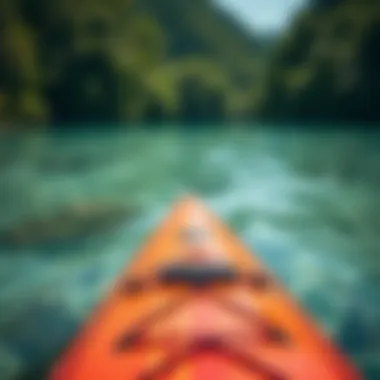
Kayaking is more than just gliding across the water; it’s about mastering the art of maneuvering through different environments and understanding the tools that make it possible. This section serves as a comprehensive overview, highlighting the importance of various kayaking techniques and the insights necessary for enthusiasts looking to elevate their experience on the water. By exploring the types of kayaks, essential paddling skills, and the significance of environmental awareness, this guide aims to provide paddlers with the knowledge they need to navigate their journeys effectively.
Types of Kayaks
Recreational Kayaks
Recreational kayaks stand out for their user-friendly design, making them an excellent choice for beginners hitting the waters for leisure. The key characteristic of recreational kayaks is their stability. They are typically wider, which allows for easier balancing, particularly in calm waters like lakes or slow-moving rivers.
One unique feature of these kayaks is their open cockpit design, which enables quick entry and exit. This makes them appealing for a casual day out on the water. However, their bulkier shape can limit speed and efficiency, especially in swift currents. In short, if you’re looking for a laid-back paddle through beautiful scenery, recreational kayaks are the way to go.
Touring Kayaks
Touring kayaks are designed for long-range outings and are built to be fast and efficient. Their longer hulls help cut through water and glide with ease, making them well-suited for expansive bodies of water or multi-day trips. The key characteristic that sets touring kayaks apart is their storage capacity; they often come with bulkheads and hatches for carrying gear, which is essential for longer excursions.
A unique aspect of touring kayaks is their versatility; they can handle different water conditions, from calm lakes to rougher ocean waters. However, they may be less maneuverable in tight spaces compared to recreational models, which could be a consideration for those navigating through narrow channels or busy marinas.
Whitewater Kayaks
For those craving adrenaline, whitewater kayaks are the go-to option. These kayaks are shorter and have a more rounded design, allowing for quick turns and exceptional maneuverability in rapid waters. The key feature here is the emphasis on agility; they are crafted to navigate challenging rapids and rocky terrain.
One unique characteristic is their reinforced body, built to withstand the impact of rough waters. However, their design can make them less stable in flat water, which could be a downside for paddlers looking for leisurely excursions. In the world of kayaking, these models appeal to thrill-seekers wanting to conquer the wild.
Paddling Skills
Strokes and Maneuvers
Strokes and maneuvers are the building blocks of effective kayaking. Mastering various paddling techniques can greatly enhance efficiency and control. The most common strokes, such as the forward stroke and the draw stroke, allow paddlers to navigate straight and make sharp turns, respectively. The key characteristic of these techniques is their impact on speed and direction; learning the proper mechanics can make all the difference in managing water currents.
One unique advantage of honing these skills is that they create a more enjoyable experience, enabling paddlers to spend less energy and focus on their surroundings. Just avoid the habit of relying on brute force; technique is paramount.
Rescue Techniques
Rescue techniques are vital for ensuring safety on the water. Understanding how to perform self-rescues and assist others is key when kayaking in unpredictable environments. The key characteristic of these techniques is their adaptability to various situations. Whether a paddler capsizes or needs help navigating back to safety, having these skills on hand is crucial.
The unique benefit of mastering rescue techniques lies in confidence; knowing you can handle potential mishaps allows for a more relaxed experience on the water. However, if not practiced regularly, these techniques can become rusty, so it's essential to keep up with periodic drills.
Team Paddling
Team paddling introduces a collaborative aspect to kayaking that enhances the experience significantly. When kayaking with a group, understanding group dynamics and paddling in sync are critical. The key characteristic of team paddling is coordination, which can improve speed and efficiency for the whole group.
The advantage of this approach extends beyond efficiency; it fosters camaraderie among paddlers, creating stronger connections within the kayaking community. That said, poor communication can lead to mishaps on the water, so clear dialogue among team members is vital to maintain safety.
Environmental Awareness
Environmental awareness in kayaking is of utmost importance, as it helps paddlers respect and protect the ecosystems they engage with. Understanding local wildlife, water quality, and the impact of pollution is crucial for anyone passionate about watersports. Promoting sustainable practices ensures that these beautiful waterways remain accessible for future generations.
Embracing environmental awareness cultivates a deeper connection to nature, encouraging kayakers to advocate for conservation efforts actively. However, it also requires ongoing education and responsibility, reminding us that our actions have consequences.
"The river flows in a manner that demands respect; nature is both serene and unpredictable, shaping our journeys in profound ways."
The Thrill of Stand-Up Paddleboarding
Stand-up paddleboarding (SUP) has gained immense popularity over the years, carving a niche among enthusiasts who seek both thrill and tranquility on the waters. It embodies a blend of sport and leisure, allowing practitioners to enjoy serene lakes or ocean waves while engaging in physical activity. This section will delve into the importance of stand-up paddleboarding, highlighting the techniques, equipment, and the unique experiences it offers to its followers.
Getting Started
Choosing the Right Board
Choosing the right board is pivotal in ensuring an enjoyable and safe paddleboarding experience. Several factors come into play when selecting a board, such as stability, weight, and volume. Typically, a wider board provides a more stable ride, appealing to beginners who might feel uneasy standing atop the water. For instance, an inflatable SUP is often a popular choice for those just starting. These boards are lightweight and easy to transport, making them convenient for spontaneous outings.
Key Characteristics:
- Stability and buoyancy: More stability helps reduce the risk of falling, making it welcoming for newbies.
- Transportation ease: Inflatable boards can be packed down and carried with minimal fuss.
Advantages / Disadvantages:
While inflatable boards are practical, they might not perform as well as rigid boards in rougher waters. It’s essential to weigh the options based on individual needs and the conditions where you’ll be paddling.
Basic Stance and Balance
Mastering the basic stance and balance is fundamental in stand-up paddleboarding. A good stance starts with feet shoulder-width apart, knees slightly bent, and a straight back. This position significantly reduces wobbling and improves overall stability.
Key Characteristics:
- Foot placement: Correct foot positioning is vital for effective control and stability on the board.
- Engaging core muscles: A strong core aids in maintaining balance, which is essential for a smoother ride.
Advantages / Disadvantages:
Adopting the proper stance not only enhances balance but also allows for easier maneuvering. Conversely, failing to find a stable position can lead to quicker fatigue, especially in challenging waters.
Paddling Techniques
Paddling techniques play a crucial role in how smoothly and efficiently one can glide across the water. Using proper strokes ensures that you maintain momentum while also enjoying the journey. The basic stroke involves pivoting your body and paddling on one side, with your strokes falling between your ankle and knee on the edge of the board.
Key Characteristics:
- Efficiency of strokes: Employing long, even strokes optimizes power and minimizes fatigue.
- Body rotation: Incorporating your hips and shoulders into paddling increases propulsion.

Advantages / Disadvantages:
Good paddling can significantly enhance your experience, allowing both speed and stability. However, improper technique can lead to awkward movements and inefficiency, detracting from the overall enjoyment.
Advanced Techniques
Turning and Stopping
Turning and stopping are vital skills in stand-up paddleboarding. Being able to pivot the board effectively, for instance, requires a well-timed weight shift toward the direction you wish to turn, alongside a precise paddle stroke. This skill improves overall navigation and control on the water.
Key Characteristics:
- Weight distribution: Correct weighting is key; shifting can mean the difference between a sharp turn and a slow arc.
- Timing of strokes: Coordinated paddle strokes enhance responsiveness when navigating.
Advantages / Disadvantages:
Mastering these movements can make a paddleboarder feel like they've got a sixth sense on the water. However, not being aware of how to maneuver can lead to sudden halts or miscalculations, possibly causing a tumble.
Surfing on a Paddleboard
Once you grasp the basics, surfing on a paddleboard can elevate your watersport experience. This includes paddling out into waves and riding them back to shore. The excitement comes from harnessing the power of ocean swells while maintaining balance on your board.
Key Characteristics:
- Wave riding: Understanding wave patterns and timing is crucial for catching the right swell.
- Stability and reflex: Strong core muscles and quick reflexes can make or break a successful ride.
Advantages / Disadvantages:
Paddleboard surfing can offer a thrilling experience. However, it requires practice and a good understanding of the sea, which may be intimidating for beginners.
Yoga on Water
Yoga on water is one of the holistic practices that lend an added dimension to paddleboarding. Balancing on the board while flowing through yoga poses blends fitness with tranquility.
Key Characteristics:
- Mind-body connection: Engaging in yoga helps forge harmony between physical and mental states, promoting calmness.
- Enhancing balance: Practicing poses improves your paddleboarding skills by boosting your balance and core strength.
Advantages / Disadvantages:
The benefits are plentiful, including stress relief and improved focus. However, the challenge lies in maintaining control, as any degree of disturbance might lead to a splash down into the water.
Scuba Diving Fundamentals
Scuba diving is not just an enthralling activity; it’s a journey into another world, beneath the surface of the water. Understanding its fundamental aspects is key to enjoying every moment and safely navigating the breathtaking underwater landscapes. This section aims to highlight the essential components of scuba diving, focusing on training, gear, safety, and the significance of ecological understanding.
Basic Dive Training
Getting started with scuba diving requires adequate training, as it directly impacts both safety and enjoyment. Proper training ensures divers have the knowledge and skills to handle various underwater situations while appreciating marine environments.
Certification Courses
One of the first steps into the world of scuba diving is enrolling in certification courses. These courses teach vital skills and familiarize divers with diving principles. Organizations like PADI (Professional Association of Diving Instructors) and SSI (Scuba Schools International) offer structured programs that fit divers of all levels.
A key characteristic of certification courses is their hands-on approach to learning. Students engage in practical sessions in controlled environments before venturing into open water. This practical aspect often makes certification courses a popular choice for newcomers eager to dive.
Unique features of these courses include:
- Flexibility - Many courses are offered in various formats, accommodating different schedules.
- Global Recognition - Certifications are recognized internationally, making it easier for divers to rent equipment or join tours worldwide.
While certification courses provide immense benefits—like increased safety and confidence—there are also considerations. Not all courses are created equal, so researching the educational quality and reputation of the training provider is crucial.
Essential Equipment
Diving gear is not just about the essentials; it’s about reliable equipment that ensures a safe and enjoyable experience while exploring the aquatic realm. Core items include BCDs (buoyancy control devices), tanks, regulators, wetsuits or drysuits, and fins.
Equipment choice affects both comfort and performance underwater. For instance, a wetsuit provides thermal protection in cooler waters while fins enhance mobility and efficiency.
What sets essential equipment apart?
- Comfort - Quality gear fits well, allowing divers to focus on their underwater adventure rather than discomfort.
- Durability - The right equipment withstands wear from saltwater and pressure, ensuring a long lifespan.
However, the downside to consider is the cost. High-quality equipment might strain budgets, but investing in good gear often pays off in safety and performance over time.
Safety Protocols
Safety cannot be overstated in scuba diving. Adhering to safety protocols significantly reduces risks associated with diving. Key protocols include pre-dive checks, understanding depth limits, and maintaining proper buoyancy.
A critical characteristic of these protocols is proactive risk management. Divers are encouraged to assess their environment and their own physical condition before each dive, making informed decisions that prioritize their safety.
Features unique to safety protocols are:
- Buddy System - Diving with a partner enhances safety, as you can assist each other in emergencies.
- Emergency Plans - Identifying potential hazards and preparing for emergencies beforehand can mitigate many risks.
A clear disadvantage lies in the tendency for some divers to overlook these protocols amid excitement. This disregard can lead to dangerous situations, making it imperative that safety remains a priority across the diving community.
Marine Ecology and Conservation
Diving isn’t solely about exploration; it’s also about stewardship of marine environments. Understanding marine ecology adds depth to the diving experience, allowing divers to appreciate the ecosystems they visit. Knowledge of marine life, underwater plants, and local conservation efforts enhances the adventure and promotes responsible diving.
Participating in conservation initiatives, such as underwater clean-ups or coral restoration projects, not only benefits marine habitats but also fosters a sense of community among divers. It reinforces the idea that every dive is a chance to engage with nature and contribute to its preservation, ensuring it remains vibrant for generations to come.
Active participation in marine conservation can turn a simple dive into a purposeful contribution, enhancing both personal fulfillment and ecological impact.


Safety in Watersports
Watersports can be an exhilarating way to connect with nature, test your physical abilities, and bond with others who share your passion. However, it’s crucial to recognize that engaging in these activities carries inherent risks. Understanding and emphasizing safety in watersports is not just a guideline; it’s a necessity. By prioritizing safety, enthusiasts can enjoy their adventures while minimizing potential dangers. This section will delve into common risks, essential safety gear, and the benefits of adhering to safety measures.
Common Risks and Hazards
Every water sport, from surfing to kayaking, presents its own set of challenges. Recognizing these potential hazards is the first step to avoiding them.
- Drowning: Perhaps the most serious risk, drowning can happen swiftly and silently. Even experienced swimmers can find themselves in trouble.
- Weather Conditions: Sudden storms or changes in water conditions can turn a fun day into a dangerous situation.
- Equipment Failures: Overestimating the reliability of gear can be a misstep. Proper maintenance is key.
- Wildlife Encounters: In some regions, marine creatures may pose risks, whether through stings or bites. It’s important to be informed about local wildlife and how to respond.
- Collisions: Whether with other participants in a busy waterway or with fixed objects, collisions can lead to serious injuries.
Awareness of these risks leads to better preparation and a more enjoyable experience for everyone involved. A proactive approach, such as checking weather reports and understanding local water conditions, can make all the difference.
Essential Safety Gear
The right gear can act as your best friend in the unpredictable environment of the water. Ensuring you have the appropriate safety equipment is not just a choice; it's a responsibility. Here’s a list of essential safety gear you shouldn’t overlook:
- Personal Flotation Devices (PFDs): No matter how skilled you are, wearing a PFD can be a lifesaver. They come in various styles to suit different activities and preferences.
- Wetsuits or Drysuits: Beyond warmth, these suits provide a layer of protection from cuts, stings, and immersion in cold water.
- Helmets: For activities like kayaking and paddleboarding, a helmet can prevent head injuries during falls or collisions.
- First Aid Kit: Having a well-stocked first aid kit on hand is crucial. It should include essentials like adhesive bandages, antiseptics, and emergency contact information.
- Signal Devices: Distributing whistles, flares, or personal locator beacons can aid in emergencies, ensuring that you're prepared to call for help.
Remember, safety gear should not just be available; it should fit properly and be in good condition. Regularly inspect your gear to ensure it’s effective and reliable.
In summary, understanding the risks inherent in watersports and equipping oneself with the necessary safety gear not only enhances the experience but also fosters a culture of responsibility and awareness within the watersports community.
Community and Culture in Watersports
Engaging in watersports isn't merely about the thrill of gliding over waves or navigating through rapids; it's deeply intertwined with a vibrant community and rich culture. Whether one is catching the next big swell or paddling serenely on a quiet lake, the social fabric formed by fellow enthusiasts enhances the overall experience. Local connections bring a sense of belonging and camaraderie, while cultural aspects ignite passion and tradition surrounding each sport.
Building Local Connections
Local communities play a pivotal role in the world of watersports. They are where relationships form, experiences are shared, and knowledge is exchanged. Joining a local surf club, kayaking group, or diving community isn't just about honing skills; it's about connecting with individuals who hold similar passions.
- Personal Growth: Being part of a group often encourages individuals to push their limits, offering support through mentorship and shared experiences. A seasoned surfer, for instance, might share invaluable tips with novice riders, enhancing their skills and boosting their confidence.
- Cultural Exchanges: Local watersport communities often blend various cultural influences. Take stand-up paddleboarding, for instance. Participants may incorporate yoga, which merges two disciplines within a tranquil setting, highlighting both community and individual well-being.
- Environmental Awareness: Engaging locally can also foster a strong sense of responsibility towards the environment. Communities often come together for beach clean-ups or conservation initiatives, ensuring that the natural playgrounds remain pristine for generations to come.
Connecting with like-minded individuals can also stem from something as simple as a chat on the beach or joining social media groups. Platforms like Facebook or Reddit host lively discussions where enthusiasts share advice, recommendations, and experiences.
Events and Competitions
Participation in events and competitions can amplify one’s experience within the watersport community. These gatherings are not just for the competitive thrill; they offer opportunities to form bonds, celebrate skills, and foster local pride.
- Local Events: Many towns host annual surfing contests, kayaking marathons, or diving days that invite both participants and spectators. These events often feature local food vendors, art showcases, and live music, creating a festive atmosphere that celebrates community.
- Competitions as a Catalyst: Engaging in competitions can often lead to personal milestones. For some, simply competing might mean overcoming prior fears or insecurities, marking significant emotional and physical achievements.
- Global Exposure: Events such as the World Surf League not only showcase talent from around the world but also bring diverse cultures together. The exchange of ideas and techniques across borders enhances one’s understanding and appreciation of the sport.
"The watersport community's heartbeat can be felt strongest when we come together to celebrate our passion, skill, and the environment we cherish."
In essence, the community and culture surrounding watersports are as rich and diverse as the activities themselves. Building local connections and participating in events not only solidifies one’s place within this vibrant tapestry but also enriches personal experiences on the water, carving a deeper appreciation for the aquatic world.
Traveling for Watersports
Traveling for watersports can be a thrilling adventure, a way to combine a love for the water with the exploration of new landscapes and cultures. This section underscores not just where you can go, but the enriching benefits of venturing beyond your local spots. The world is full of unique destinations waiting to be discovered, each offering its own slice of aquatic heaven.
Choosing to travel specifically for watersports allows enthusiasts to encounter a variety of weather conditions, wave types, and aquatic environments. This broadened perspective fuels a deeper appreciation for the diversity of watersport culture and the intricacies of each individual sport. Engaging with different communities and practices can tremendously elevate your skill set while nurturing friendships that span across the globe.
However, it is not all about the fun; planning is essential. Understanding the specific requirements of each destination—from local regulations and safety precautions to necessary equipment—can ensure a seamless experience. Before you pack your bags, consider the following elements to optimize your travels.
Destinations to Explore
When it comes to selecting the ideal location for watersports, there's no shortage of breathtaking options. Here are a few notable hotspots:
- Bali, Indonesia: Known for its stunning surf breaks, Bali offers a variety of conditions suitable for both beginners and advanced surfers. Plus, the vibrant culture provides an enriching backdrop for your travels.
- Lake Tahoe, California: This stunning freshwater lake offers ideal conditions for kayaking and paddleboarding, with scenic views of the mountains that surround it.
- The Great Barrier Reef, Australia: A diver’s paradise, this iconic reef is teeming with marine life and offers numerous diving opportunities for every skill level.
- Seychelles: This archipelago is excellent for kitesurfing and windsurfing, especially during the trade winds season. Its pristine beaches and turquoise waters are simply idyllic.
- Cape Town, South Africa: Known for windsurfing and kitesurfing, Cape Town’s powerful winds challenge even seasoned locals. Not to mention the stunning natural beauty surrounding the area.
"Travel is more than seeing the sights; it’s an opportunity to connect with people and places that enrich your watersport journey."
Planning Your Watersport Trip
To ensure a stress-free and fulfilling watersport trip, advance planning is key. Here are some crucial considerations:
- Research Your Destination: Look into the local watersport scene. Websites like Wikipedia and specialized forums can provide insights on the best times to visit, local resources, and community events that might enrich your experience.
- Understand Equipment Requirements: Some destinations may have rental services, while others might require you to bring your own gear. Knowing beforehand can save you from unexpected costs and hassles.
- Check Weather Conditions: Weather can change quickly, so keep an eye on forecasts as your travel date approaches. This can also impact the specific watersport conditions, whether it's surf heights or wind patterns.
- Local Rules and Regulations: Every locale has its own set of rules regarding watersports. Researching these not only helps ensure your safety but also supports local conservation efforts.
By taking these elements into account, your journey into the world of watersports will not only be about shredding waves or exploring underwater ecosystems but also about cultivating a deep respect for the places you visit and the communities you interact with. This enhances not just your skill but enriches your life experience.
Finale: Embracing the Watersport Lifestyle
Engaging in watersports extends beyond the thrill of riding waves or gliding across serene lakes. It cultivates a lifestyle rooted in adventure, community, and respect for nature. Understanding the watersport culture allows enthusiasts to not only sharpen their skills but also to appreciate the broader environment around them.
The importance of this lifestyle revolves around several core elements:
- Connection with Nature: Watersports provide an intimate experience with the elements. Whether you're navigating rivers or surfing on ocean swells, each moment enhances your appreciation for natural beauty.
- Community Engagement: Joining the watersport community fosters relationships. From local meetups to international competitions, there's a sense of camaraderie that binds participants together.
- Physical Fitness: Involvement in these sports encourages a level of fitness that few other activities can match. The combination of strength, endurance, and skill develops a holistic approach to health.
- Mental Resilience: Facing unpredictable conditions in watersports teaches resilience. Overcoming fear and improving technique builds confidence in oneself.
Reflecting on the Experience
As we look back on our experiences in the waters, it's essential to reflect on what each venture brings to our lives. Every splash, every wave conquered contributes to personal growth. The moments spent paddling alongside friends or plunging into the depths while scuba diving give us stories to tell and memories to cherish.
- Learning Opportunities: Each outing presents a chance to learn something new. From mastering paddling techniques to grasping water currents, the journey is filled with opportunities for growth.
- Global Perspectives: Traveling to watersport destinations allows us to engage with diverse cultures and perspectives. Each locale offers a unique flavor to the experience of watersports.
"Being one with the water, you realize the world is bigger than your own backyard; it humbles and expands your view of life."
The Future of Watersports
The world of watersports is constantly evolving. Innovations in equipment and techniques promise to enhance the experience for enthusiasts around the globe. As technology advances and environmental consciousness grows, several trends emerge:
- Sustainability Practices: Eco-friendly equipment and practices are gaining traction. Many companies focus on producing sustainable gear, ensuring that watersports thrive alongside marine conservation efforts.
- Technological Integration: Gadgets like smart watches and performance-tracking applications are becoming commonplace. These advancements help athletes refine their skills and push their limits.
- Growing Popularity: With a greater push towards outdoor activities, more individuals are discovering watersports. This growth necessitates greater attention to safety and community engagement.
Navigating the future means embracing change while understanding our roots as watersports enthusiasts. It invites us to adapt and explore new ways to connect with both water and community.