Exploring the Thrills of Freestyle Mini in Watersports


Intro
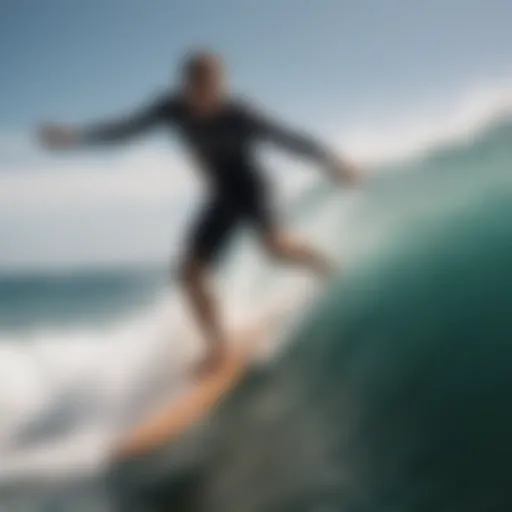
Freestyle mini is much more than just a niche watersport; it represents the blossoming spirit of innovation and creativity within aquatic recreation. As enthusiasts delve deeper into this exhilarating discipline, they uncover a tapestry woven from adventure, technique, and community. Unlike traditional watersports, freestyle mini amalgamates artistry and athleticism, allowing individuals to express themselves on the water while defying gravity and limits. In this exploration, we will navigate through essential techniques to get you started and elevate your experience. Additionally, we’ll discuss cutting-edge equipment that enhances performance, all while uncovering the vibrant culture surrounding freestyle mini.
In an age where many seek the thrill of adventure away from the mundane, freestyle mini captures hearts with its contagious energy and dynamic nature. This article aims to stitch together the various aspects of this exhilarating sport, encouraging both newcomers and veterans to embrace all it offers. Let’s dive in!
Preamble to Freestyle Mini
Freestyle mini represents a unique intersection of creativity and adrenaline within the watersport realm. It serves as more than just a thrilling activity; it encapsulates a lifestyle, a community, and an evolving sport that invites individuals to express themselves through movement on water. This section aims to lay the groundwork for further exploration of freestyle mini by addressing its core elements, benefits, and relevance.
Definition and Scope
Freestyle mini can be defined as a sub-discipline within the broader category of watersports, characterized by its focus on creativity, style, and acrobatics on smaller boards usually utilized in adaptable environments such as rivers, lakes, and even man-made parks. This sport emphasizes maneuvers that blend elements from various other water activities, such as surfing and wakeboarding, all while allowing participants to push the boundaries of what is possible on water. The versatility of freestyle mini earns it a rightful place among the pantheon of watersports, appealing to those seeking excitement while navigating unique water conditions.
In practice, freestyle mini encompasses a spectrum of skills, ranging from basic navigation of the board to advanced tricks such as spins, flips, and grabs. The demands of the sport celebrate individuality, allowing participants to cultivate their distinct style while evolving alongside the sport itself. Consequently, the scope of freestyle mini expands far beyond mere technique; it encompasses camaraderie, innovation, and a shared passion among its growing community.
Historical Context
Tracing back the origins of freestyle mini offers invaluable perspective on its current status in the watersport landscape. It emerged from an amalgamation of various surfing and boarding styles, gaining traction as water enthusiasts sought new ways to express their creativity on the water. While the exact inception still remains a topic of lively discussions among historians, the late 20th century marks a significant turning point, as burgeoning materials and equipment technology began shaping the way riders interact with their environment.
The sport saw rapid evolution throughout the 1990s and early 2000s, largely fueled by innovations in board design and an increase in community involvement. As technical advancements in materials became more accessible, freestyle mini appealed to a broader audience, promoting grassroots community events that would further propel its popularity. Social media played an instrumental role in connecting enthusiasts, enabling them to share their experiences and foster relationships across different regions and cultures, ultimately creating a global network of freestyle mini aficionados.
"The growth of freestyle mini is not just about the spectacular maneuvers; it’s about the connections we forge and the passion we share as a community of water lovers."
As we ponder this captivating sport's journey thus far, it becomes evident that freestyle mini is perfectly poised for a bright future—not merely as a sport but as a platform for personal expression and community engagement. This brief overview sets the stage for delving deeper into the essential techniques, equipment innovations, and community aspects that continue to shape this exhilarating watersport.
Essential Techniques for Freestyle Mini
Freestyle Mini, a captivating subcategory of watersport, is not just about having fun on the water; it's about mastering specific techniques that elevate the experience and performance. Knowing the fundamentals and advanced maneuvers plays a pivotal role in how an athlete connects with their craft, allowing for expression and skill development. This section digs into the essential techniques that form the bedrock of successful freestyle mini practices.
Fundamental Skills
The foundations of any watersport are the fundamental skills one should master before diving into the complexities. In freestyle mini, these skills serve two primary purposes: they ensure safety and provide a launching pad for advanced maneuvers. Here are some of the critical fundamental skills:
- Balance: Achieving balance on the board, especially in varying water conditions, ensures that riders can adjust quickly to unexpected waves or wind shifts. Whether it's the ride on flat water or the rush of a wave, maintaining a steady stance can make or break a session.
- Paddling Proficiency: Knowing how to paddle efficiently is paramount. It's not just about speed. It's about precise strokes that allow for responsive maneuvers. Riders need to practice different paddling techniques to navigate around obstacles or establish rhythm for jumps.
- Take-off Techniques: Whether launching from flat water or a small wave, understanding the proper take-off techniques is vital. Jumping or catching air relies on timing and the appropriate approach, aligning the body for a graceful ascent.
The practice of these skills lays a strong groundwork for anyone looking to develop their freestyle mini expertise. In this segment, the intention is to emphasize how often these fundamentals are overlooked, leading newer riders into a challenging experience instead of a rewarding one. Taking the time to excel at these basics adds a layer of confidence that translates well into advanced techniques.
Advanced Maneuvers
Once foundational skills are learned and practiced, it's time to tackle the exhilarating world of advanced maneuvers. These moves not only showcase the rider's abilities but also enhance the overall spectacle of the sport. Below are some of the highlight advanced maneuvers that can truly set a rider apart:
- Air Spins: Mastering an air spin is a rite of passage for freestyle mini enthusiasts. Executing this well requires a combination of speed, air time, and balance. The exhilaration lies in spinning mid-air before landing smoothly back on the water.
- 180° and 360° Turns: These turns harness the power of momentum and body alignment. Not just for showing off, they can be game-changers during competitions. When done smoothly, they demonstrate a rider's control and can impress judges.
- Grabs: Adding grabs to jumps can elevate simple maneuvers into artistic expressions. Techniques like the board grab or nose grab show a level of finesse that requires good timing and coordination.
Considerations While Practicing Advanced Maneuvers
- Safety First: Always wear appropriate gear. As the adage goes, better safe than sorry.
- Progress Gradually: Trying to master advanced maneuvers before nailing the basics often leads to frustration and can contribute to injuries.
- Seek Feedback: Observing from peers or instructors can provide invaluable insights into improving technique.
Overall, the path to mastering freestyle mini demands dedication and a genuine enthusiasm for learning. As with any sport, the thrill increases once a rider conquers new skills, pushing their limits while crafting their unique style in the process.
"The water is just a canvas; it's your skills that paint the picture."
To delve deeper into technique explorations for freestyle mini enthusiasts, resources like reddit.com, en.wikipedia.org, and various instructional videos on platforms such as YouTube provide guidance and inspiration.
The Evolution of Freestyle Mini Equipment
The evolution of equipment used in freestyle mini is a fundamental component of this watersport's growth. Freestyle mini demands not just agility and skill from its participants, but also equipment that enhances performance. Innovations in boards and fin designs have transformed the experience, allowing for increased maneuverability and stability on the water. This section delves into two essential aspects of Freestyle Mini equipment: board design innovations and fin systems adaptability.
Board Design Innovations
Board design in freestyle mini has come a long way. Early boards were often bulky, limiting the maneuverability and tricks that athletes could perform. Today's boards reflect advances in materials and technology, making them lighter and more hydrodynamic. With innovations like the use of carbon fiber and advanced composites, boards are not just lighter but also stiffer, providing better responsiveness.
Moreover, the shape of freestyle mini boards has become increasingly sophisticated. Many boards incorporate rocker profiles that allow for easier transitions between land and water tricks, enabling riders to perform flips and spins more smoothly. For example, boards with a twin-tip design allow riders to switch directions effortlessly, an essential feature for the quick shifts required in freestyle mini maneuvers.
"A well-designed board is a rider's best ally. It can make the difference between a head-turning trick and a spectacular wipeout."
In summary, innovations in board design have not only spurred the potential for new tricks but also significantly improved safety and performance. As manufacturers continue to experiment with new shapes and materials, the future looks bright for freestyle mini enthusiasts.


Fin Systems and Adaptability
Fins might seem like a minor element of a freestyle mini setup, but they play a pivotal role. The fin system affects how the board interacts with the water, influencing speed, control, and grip. Recent developments in fin technology have led to systems that can be easily swapped or adjusted, which allows riders to tweak their setup based on conditions or desired performance attributes.
Innovative features like variable fin positioning allow riders to customize their board's handling characteristics. For instance, moving fins closer to the center of the board can improve turning responsiveness, while positioning them wider can enhance stability at higher speeds. All these adjustments can mean the difference between mastering a trick or falling flat.
Additionally, the trend towards fins made from eco-friendly materials is gaining traction, aligning with the broader shifts toward sustainability in watersports. These not only have less impact on the environment but often offer enhanced performance due to improved flexibility and durability.
In essence, the evolution of fin systems is about adaptability. Riders now have unprecedented control over how their equipment performs, enabling them to tackle increasingly complex tricks while being able to cope with varying water conditions. This adaptability not only supports individual skill development but also contributes to the innovative spirit of freestyle mini.
Conditioning for Freestyle Mini
Conditioning plays a pivotal role for anyone keen on excelling in freestyle mini. Engaging in this exhilarating watersport demands more than just a desire to glide over waves. It requires a strong physical presence as well as an agile mind. Both elements can elevate one's performance, transforming the experience from merely participating to truly thriving in the sport.
Physical Requirements
When it comes to physical readiness for freestyle mini, the body’s musculature, endurance, and flexibility come into sharp focus. Riders need to maintain a balance—pushing limits without crossing them. A well-rounded fitness routine is essential, embracing both strength training and cardiovascular exercises.
- Core Strength: Having a robust core is not just about looking good on the beach, it's crucial for control and balance on the board. Engaging in planks, Russian twists, and medicine ball exercises can enhance this area.
- Leg Power: Thighs and calves carry the brunt during jumps and maneuvers. Squats, lunges, and plyometric drills can improve explosiveness and stability while navigating tricky waves.
- Endurance Training: Water sports can be exhausting, especially with the need for multiple runs during sessions or competitions. Engaging in activities like swimming, biking, or running helps build endurance capacity, allowing enthusiasts to push through fatigue.
Meanwhile, flexibility shouldn’t be neglected—stretching routines can keep the body limber. Yoga or specific stretching programs before and after water sessions aid in preventing injuries, making each ride more enjoyable.
Mental Preparation
Just as physical prowess is necessary, so too is mental fortitude. Freestyle mini isn’t only about skill; it's also about mindset. Riders must cultivate resilience and focus, especially when faced with challenging conditions or fresh maneuvers to master.
- Visualization Techniques: Many athletes have found success through the power of visualization. Imagining oneself executing tricks can trick the brain into feeling more prepared when actually performing them. This method builds confidence and can be practiced anywhere.
- Mindfulness and Breathing: Stress can derail even the most seasoned veterans. Practicing mindfulness allows one to remain present and calm. Simple breathing exercises can help manage adrenaline levels during high-pressure situations like competitions.
- Goal Setting: Establishing clear, achievable goals helps maintain motivation. Whether it’s mastering a new trick or increasing ride time, having specific objectives provides a roadmap for progress in training.
In summary, conditioning for freestyle mini extends beyond basic fitness; it’s a comprehensive approach that combines physical prowess with mental agility. Both are essential for those aiming to push boundaries in this exciting watersport.
To further hone these skills, riders might consider joining local clubs or tapping into online forums. Websites such as Reddit can serve as helpful platforms for exchanging tips and tricks with fellow enthusiasts. Additionally, for exercises tailored towards watersports, educational resources from accredited organizations like NASSA.edu can be beneficial.
Embracing both the mental and physical aspects of training will not only amplify performance in freestyle mini but also enrich the overall experience, turning it into a profound journey through water and beyond.
Community and Culture Surrounding Freestyle Mini
The world of freestyle mini is not just about the moves, boards, and water; it's greatly enriched by the vibrant community that surrounds it. This community serves as a cornerstone for participants, forming a network filled with shared experience, knowledge, and passion.
Engaging in freestyle mini fosters a sense of belonging among individuals, which is especially important for both newcomers and veterans. When you hit the water, you don’t just practice a technique; you embody a lifestyle that connects you with like-minded enthusiasts. The culture surrounding freestyle mini promotes collaboration, encourages innovation, and celebrates the diversity within the sport.
Key Figures and Influencers
In the freestyle mini realm, certain individuals have become iconic figures, whose contributions have significantly shaped its culture. These influencers are not just athletes but also artists, coach mentors, and community leaders.
For starters, there’s Jamie Stevens, known for his exceptional skills and innovative techniques, often showcases his latest tricks on social media platforms; his videos serve as inspiration for countless followers. Then there's Lana Mohamed, a remarkable competitor who emphasizes environmental awareness and sustainability in watersports, often rallying her followers to engage in eco-friendly practices.
These figures play a critical role in mentoring up-and-coming athletes and creating platforms where knowledge is shared. Whether it's through workshops, social media channels, or competition events, their impact reaches far and wide, influencing practices and steering the direction of freestyle mini culture.
Utilizing social platforms like Reddit or Facebook groups, these key figures foster community connections, where members can share tips, experiences, and even post questions. They break down barriers, making it easier for beginners to step into this thrilling sport—something that keeps the community's spirit alive and thriving.
Events and Competitions
Competitions are the heartbeat of the freestyle mini community, acting as a dynamic meeting ground for enthusiasts to showcase their skills and learn from each other. Events such as the Mini Freestyle Championship and local jam sessions draw crowds, offering an electrifying atmosphere that encourages athletes to push their limits.
Attending these events is like stepping into the center of a cultural festival. Participants not only compete but also celebrate camaraderie among rivals. From the adrenaline rush of landing a new trick to the collective gasps from fellow competitors, these moments create lasting memories and friendships.
The annual Freestyle Warm-Up, for instance, is a favorite among the core community. Participants often urge others to join simply for the experience of the electric atmosphere and to connect with legends of the sport. Beyond competition, these gatherings offer workshops and demos, where experienced riders share insights and motivate newcomers.
Furthermore, events like these are often accompanied by live demonstrations, where companies show off their latest gear innovations. This creates an opportunity for the community to engage with product developers and learn about new technologies first-hand, making competitions not only a battle of talents but a showcase of innovation in the sport.
In summary, the culture and community surrounding freestyle mini is as vital as the sport itself. The key figures and events intertwine to provide support and motivation, fostering growth and attracting newcomers into the fold. As this community continues to evolve, its foundations will inspire future generations of athletes to embrace the thrill of freestyle mini.
Safety Considerations in Freestyle Mini
Engaging in freestyle mini can stir excitement and adrenaline, but it's crucial to navigate this thrilling watersport with caution and responsibility. This section explores essential safety considerations that every participant, from novices to seasoned enthusiasts, should prioritize. The essence of safe practices cannot be overstated; it often means the difference between a memorable day on the water and a regrettable accident.
Understanding Risks
Every sport, including freestyle mini, comes with its own set of risks. A variety of factors contribute to these hazards, including water conditions, equipment capabilities, and the rider’s skill level. Here are some risks commonly associated with freestyle mini:


- Environmental Elements: It’s vital to pay attention to weather conditions, waves, and tides. High winds or rough waters can catch even experienced riders off-guard, leading to potential hazards.
- Equipment Failure: Regular maintenance of boards and related gear is critical. A faulty board or weak binding can lead to injuries. For instance, if a fin detaches unexpectedly mid-ride, it could throw the rider off balance entirely.
- Physical Limitations: Knowing your own limits is non-negotiable. Whether it's fatigue or inability to perform a maneuver, riding beyond your capabilities can result in accidents.
- Impact Injuries: Falls are an inevitable part of learning new tricks. However, if executed poorly, these falls can result in serious injuries, especially if landing on a hard surface.
Taking these risks into account is the first step in ensuring a safer experience on the water. Every participant should assess not only their environment but also their physical readiness before hitting the waves.
Preventive Measures
Having an awareness of risks paves the way for implementing effective preventive measures. Here’s a list of actions that can greatly minimize danger during freestyle mini:
- Wear Appropriate Safety Gear: A personal flotation device is a must; it’s like your second skin on the water. Helmets can also protect against head injuries, especially during tricks.
- Stay Informed About Local Conditions: Before even heading out, check weather and tide reports. Websites like NOAA (National Oceanic and Atmospheric Administration) provide accurate forecasts.
- Have a Buddy System: Always ride with at least one other person. If something goes wrong, having someone nearby to help can be vital.
- Know Basic First Aid: This can come in handy in emergencies. Carry a small first aid kit onshore. Understanding what to do in case of an injury can save lives.
- Regular Equipment Checks: Before each outing, inspect your gear. Look for possible wear and tear, especially on the bindings and fins. A small crack can escalate into major trouble if ignored.
"Safety is not just about avoiding risks; it’s about knowing how to manage them effectively."
These precautions integrate well into the core practices of freestyle mini, allowing riders to focus on enjoying their passion while lessening potential dangers. Remember, it's all about having fun responsibly.
Travel Destinations for Freestyle Mini Enthusiasts
Travel destinations form the backbone of the freestyle mini community, attracting individuals eager to hone their skills, connect with fellow enthusiasts, and embrace nature's thrilling waters. Each location offers unique elements that cater not only to the physical aspects of the sport but also to the rich culture surrounding it. Selecting the right destination can enhance the overall experience, providing the right blend of conditions, amenities, and sociability.
For many, these spots represent not just a place to practice; they embody an entire lifestyle steeped in adventure and camaraderie. This vibrant environment fosters a sense of belonging, allowing enthusiasts to share tips and tricks, push each other’s limits, and inspire new generations of freestyle mini athletes. Whether you are a seasoned pro or a newbie trying to find your feet, the perfect destination can elevate your journey.
Top Locations to Explore
- Lake Tahoe, California/Nevada
Nestled in the Sierra Nevada mountains, Lake Tahoe is a mecca for watersport lovers. It boasts crystal blue waters and stunning scenery, making it a picturesque location for freestyle mini. The consistent winds and calm conditions during summer months amplify the thrill of the sport. - Cabarete, Dominican Republic
Known for its vibrant sports scene, Cabarete offers warm waters and reliable winds throughout the year. The town is a hub for lessons and competitions, and its night markets provide a cultural flavor that complements the sport's thrill. - Bonaire, Netherlands
With its steady trade winds and warm azure seas, Bonaire provides ideal conditions for freestyle mini enthusiasts. The shallow waters are perfect for practicing tricks, and the local community is welcoming, providing opportunities for networking. - Hood River, Oregon
Positioned at the confluence of the Columbia River and Mount Hood, Hood River has become a premier destination. Its unique wind patterns create an ideal setup for freestyle mini, drawing pro riders and casual enthusiasts alike. - Wellington, New Zealand
Wellington, with its diverse landscape and proximity to various water bodies, offers a refreshing experience. Riders can explore everything from coastal waves to serene lakes, providing a variety of freestyle mini experiences.
Local Tips and Insights
1. Timing is Everything
Traveling to these hotspots can be a game-changer, but understanding when to visit is key. Look out for the peak seasons, as well as weather patterns specific to your chosen location.
2. Local Community Engagement
Many destinations have a strong local community integrated within the culture of freestyle mini. Engaging with locals can yield tips that transform your experience. They often share lesser-known spots, important safety info, or even invite you to informal meetups or competitions.
3. Equipment Preparation
Depending on the location, water temperatures can vary significantly. Ensure you tailor your gear for local conditions. Additionally, some spots may have rental services that can help ease travel burdens, allowing you to test new gear before committing.
4. Regulations and Respect
Each destination might have distinct rules regarding watersport activities. It’s crucial to do your homework before hitting the water. Understanding these regulations ensures a smooth experience and a respectful relationship with the local environment and community.
5. Embrace the Culture
Each location has its social dynamics and cultural points of interest. Take time to experience the local attractions, be it food, music, or other outdoor activities. This will not only enrich your visit but also lead to stories that go beyond the water.
"A destination is not just a place; it's the experiences and connections that make it memorable."
With these destinations and insights, you’re well on your way to discovering the excitement Freestyle Mini has to offer. Each location brings with it the potential to challenge and inspire, with every wave providing a new opportunity for growth and adventure.
The Impact of Technological Advancements
Technological advancements play a pivotal role in transforming how sports, including freestyle mini, are experienced and executed. With the increasing demand for performance enhancement and safety, innovation in equipment and training methodologies has become crucial. This section delves into the significance of such advancements, outlining their benefits and the considerations they entail for enthusiasts and professionals alike.
Emerging Technologies in Equipment
The world of freestyle mini has been revolutionized by emergent technologies that have set new benchmarks in performance and safety. For example, lightweight materials like carbon fiber and advanced polymers have made boards more responsive and durable without compromising on maneuverability. Riders can execute precise tricks and turns thanks to improved hydrofoils designed to enhance lift and stability. Hydrodynamic shapes are now more than just aesthetic; they significantly minimize drag, allowing for smoother rides across water.
Consider the integration of smart technology into boards. Systems that track performance metrics such as speed, airtime, and acceleration not only help athletes self-assess their capabilities, but they also pave the way for tailored training regimens. With features that sync to mobile apps, freestylers can analyze their performances with detail previously unimaginable. This data-driven approach is invaluable, as it allows riders to pinpoint strengths and weaknesses, ensuring continual progress.
Recent innovations such as inflatable boards that provide portability and convenience reflect a shift in accessibility. With their easy transportability, enthusiasts can freely explore new locations without the burden of hefty equipment. This opens doors to discovering untapped waters, aligning with the adventurous spirit of freestyle mini.
"Innovation is the cornerstone of any sport's evolution, driving interest and participation."
Innovative Training Tools
Equally important as equipment advancements are the new training tools being developed, which complement the skills required for freestyle mini. Virtual reality (VR) has found its niche here, allowing athletes to practice in simulated environments before hitting the water. This type of training can translate to faster learning curves, as the visual and immersive aspects help competitors visualize their maneuvers and gauge spatial awareness.
Additionally, wearable technologies that monitor physiological stats such as heart rate and muscle exertion provide real-time feedback. Athletes can use this information to manage their energy levels and improve their physical conditioning. For instance, smartwatches or fitness bands allow competitors to track essential data during their rides or workouts, enabling a reflective approach toward maximizing performance.
Moreover, coaching platforms that incorporate video analysis have surged in popularity. Analyzing footage allows athletes and coaches to adjust techniques based on critical observations. This reflective practice fosters a deeper understanding of one’s body mechanics on water, promoting efficiency and precision in maneuvers.
In summary, the advancements in technology, whether through equipment or training methodologies, offer incredible potential to redefine the limits of freestyle mini. They provide essential aid for both budding enthusiasts and seasoned professionals, ensuring that the sport continues to thrive and adapt in a competitive landscape.
For more insights into the latest innovations and technologies in water sports, check out resources from Wikipedia and the National Association of Professional Base Jumpers.
Sustainability in Freestyle Mini
In recent years, the discussion around sustainability has gained momentum across various sports, and freestyle mini is not an exception. As enthusiasts revel in the thrill of this dynamic watersport, it is essential to recognize the environmental implications and the shifting tides towards more sustainable practices. Freestyle mini, with its unique relationship with water and nature, provides a compelling case for the integration of sustainability initiatives. By fostering awareness about our environmental impact, freeriders can ensure the longevity and health of the locations they cherish.


Environmental Impact Awareness
The very essence of freestyle mini involves utilizing natural water bodies, from lakes to rivers and coastal areas. Unfortunately, this engagement can lead to various environmental concerns, including damage to local ecosystems and pollution. Notably, water quality can be compromised by the use of non-biodegradable materials and irresponsible waste disposal.
Freestyle mini practitioners should acknowledge these impacts; the act of shredding through pristine waterways should come with a sense of stewardship. Here are a few key considerations for athletes and the community at large:
- Ecosystem Disruption: Constant competition and practice in specific locations can disrupt local wildlife. Adapting to recognize their presence is crucial. Simple practices like avoiding areas where animals nest can protect habitats.
- Pollution: The use of boats and other motorized equipment can generate harmful emissions. Opting for eco-friendlier gear or reducing dependency on such motorized equipment can lessen emissions and noise.
- Waste Management: Plastics and other waste can be particularly detrimental to marine environments. Implementing strict "leave no trace" policies during events can help mitigate this issue. Educating community members on proper disposal and recycling practices can turn the tide towards cleaner waters.
"Sustainability isn't just a trend; it's a responsibility we owe to future generations of freeriders and nature alike."
Eco-friendly Initiatives
Recognizing the necessity of sustainable practices within freestyle mini is a step in the right direction, but taking action is what sets apart true pioneers in the sport. As the watersport community grows, so does its commitment to eco-friendly initiatives. Here are a few notable strategies making waves in the freestyle mini scene:
- Sustainable Gear: Gear manufacturers are exploring the use of sustainable materials. For instance, boards made from recycled polystyrene or organic materials reflect a shift in production that reduces environmental footprints.
- Conservation Partnerships: Collaborations between local freestyle mini clubs and conservation organizations can yield impactful results. Organizing beach clean-ups or habitat restoration projects not only helps the environment but reinforces community ties.
- Education and Awareness Campaigns: Workshops aimed at informing enthusiasts about sustainable practices can create ripples of change. These gatherings can focus on waste management, responsible equipment choices, and the significance of respecting nature while enjoying the sport.
- Sustainable Events: Many freestyle mini competitions are adapting by implementing sustainability measures. This can include streamlined waste management systems, local sourcing of materials, and eco-friendly prizes.
Comparative Analysis with Other Water Sports
Understanding the nuances of freestyle mini alongside other water sports offers valuable insights into this unique discipline. It stretches the boundaries of creativity on water, presenting an engaging comparison that is essential for enthusiasts and professionals alike. By examining how freestyle mini matches up against traditional and contemporary water sports, practitioners can glean new techniques, reflect on the evolution of practices, and embrace innovations that enhance performance. Moreover, this comparative analysis sheds light on the emerging culture surrounding freestyle mini, connecting it with a larger narrative on water sports evolution.
Contrast with Traditional Water Sports
Traditional water sports such as surfing, kayaking, and wakeboarding typically follow a structured set of rules and techniques. Freestyle mini, however, thrives on improvisation and individual expression. While surfing is often anchored in the foundational dynamics of waves and tides, freestyle mini is adaptable, enabling practitioners to explore their creativity on different types of water surfaces. This freedom translates into a differing skill set; for instance, where a surfer must master wave riding, a freestyle mini enthusiast emphasizes aerial tricks and on-the-water agility.
- Risk and Reward: Both disciplines carry inherent risks but handle them differently. Traditional water sports often have a set environment. In freestyle mini, the unpredictable nature of practice sites adds an extra layer of thrill and potential hazard. It’s a wild card played against a backdrop of evolving skill sets.
- Equipment Diversity: The tools of the trade also differ significantly. In surfing, a single board might be the go-to. Freestyle mini practitioners, on the other hand, regularly swap out components on their boards for varied performances, creating layers of complexity.
Cross-disciplinary Techniques
The beauty of freestyle mini is its capacity to borrow techniques from a host of other disciplines. Water sports are like a shared language among athletes; the subtleties—such as balance, rhythm, and timing—translate seamlessly across different arenas. For instance, techniques from snowboarding or skateboarding can be adapted into freestyle mini. This kind of bleeding-edge interaction encourages athletes to mix and match elements to hone their craft.
- Flick from Freestyle Skiing: The way a snowboarder pops off a jump mirrors tricks in freestyle mini. Whether it’s pulling off a 360 or a backflip, those movements can be tweaked and tested in both realms, allowing athletes to glean insights across disciplines.
- Flow from Surfing: Surfing techniques, like reading water currents and understanding flow dynamics, can aid a freestyle mini athlete in executing smoother transitions and tricks.
Ultimately, the analysis shows how freestyle mini stands as not just a part of the water sports tapestry but also an evolving hub of innovation. By juxtaposing its practices and techniques against more traditional sports, insights emerge that propel the discipline forward. This not only enhances competitive performance but enriches the experience, fostering a vibrant community of athletes eager to push the envelope.
"Each splash of water tells a story; each trick is a brushstroke on the canvas of freedom."
Understanding these nuances creates a richer appreciation of what freestyle mini offers, while simultaneously providing a framework for future developments in the sport.
The Future of Freestyle Mini
Exploring the future of freestyle mini is crucial to understanding the trajectory of this vibrant watersport discipline. Freestyle mini is not merely a hobby; it has morphed into a unique subculture that combines creativity, skill, and technology. As the sport continues to evolve, recognizing the potential developments that lie ahead is vital for enthusiasts, coaches, and industry stakeholders alike. The future promises a cocktail of innovation, competition, and community, each playing a distinct role in shaping the sport's landscape.
Predictions and Trends
In the coming years, several trends could emerge that will redefine freestyle mini. For starters, the technology behind equipment is likely to experience a significant leap. Here are some predicted advancements:
- Smart Gear: Imagine boards embedded with sensors providing real-time feedback to riders, helping them refine their techniques while out on the water. The integration of wearables can also monitor physical performance and body mechanics.
- Sustainable Materials: As environmental awareness burgeons worldwide, we may see the rise of eco-friendly materials in board design. This could involve the use of recycled materials and processes that reduce carbon footprints.
- Enhanced Accessibility: The push for making freestyle mini more inclusive could lead to adaptive equipment catering to various skill levels and physical abilities. This trend could attract newcomers who have historically been on the fringes of watersports.
Furthermore, the community aspect will likely expand, with more online platforms promoting shared experiences. Online forums and social media groups could evolve into spaces for global collaboration among enthusiasts. Some may argue that these online communities dilute the essence of the sport; others believe they can foster greater engagement. Either way, the visibility of freestyle mini is poised to increase.
"The allure of freestyle mini lies in both the individual expression it allows and the unique bond it creates among participants."
Challenges Ahead
While the future of freestyle mini seems bright, several challenges loom on the horizon. It’s essential to keep an eye on these potential hurdles:
- Accessibility to Resources: For many aspiring athletes, access to quality training and equipment remains a significant obstacle. If the cost of entry continues to rise, it might limit participation to wealthier individuals or regions. This socio-economic divide could undermine the diversity within the sport.
- Safety Regulations: With the increase in popularity, there is a possibility that regulatory bodies will impose stricter guidelines. While safety is paramount, if regulations become overly cumbersome, it could stifle creativity and spontaneity, two core tenets of freestyle mini.
- Balancing Innovation with Tradition: As technology changes, there can be a conflict between traditional practices and innovative approaches. Striking a balance between preserving the core values of freestyle mini and embracing modernity will be a continual challenge for practitioners.
- Environmental Concerns: Even though sustainability is trending upwards, the watersport industry must grapple with its environmental footprint. Protecting oceans and waterways from pollution while promoting activities that directly utilize these resources requires a delicate balance.
Overall, while the future of freestyle mini is full of exciting possibilities, it is not without its difficulties. Continued dialogue within the community, coupled with proactive strategies, can help navigate these challenges and ensure a vibrant future for the next generation of watersport enthusiasts.
Ending
As we wrap up our deep dive into the vibrant world of freestyle mini, it becomes abundantly clear that this niche in watersports is not just a passing trend. The synthesis of cutting-edge techniques and the sheer adrenaline rush it offers make freestyle mini a captivating discipline. There’s more to it than just jumping over waves or performing tricks; it’s about a community that thrives on innovation and adventure. The very essence of freestyle mini lies in its ability to push boundaries, inviting participants to explore their limits while enjoying the beauty of nature.
When you consider the components we've discussed—like the evolution of equipment, the significance of safety, and the community fabric—it paints a picture of a sport that's both exhilarating and deeply connected to environmental consciousness. Freestyle mini enthusiasts not only relish the thrill but also share a profound respect for the waters that they navigate.
Key Takeaways
- Community Engagement: The culture surrounding freestyle mini fosters a strong sense of belonging among enthusiasts, encouraging both competition and cooperation.
- Technological Innovations: Advances in equipment design like lightweight boards, flexible fins, and durability improvements have greatly enhanced performance.
- Safety First: Understanding risks and adhering to safety protocols is paramount to ensure a fulfilling experience without unnecessary hazards.
- Boost in Popularity: With increasing visibility through online platforms and events, the sport is drawing in more enthusiasts, contributing to its growth.
Invitation to Engage
We invite you to jump on board and immerse yourself into the freestyle mini realm! Whether you are a seasoned pro or just starting out, the experience can be like no other. Connect with local groups on platforms like Facebook or Reddit, where you can share stories, seek advice, or even plan meet-ups. Explore new locations, attend events, or join workshops that focus on skills enhancement. Don’t forget to keep an open mind and take that leap into the thrilling waters!
For more insights, check out resources like Britannica or dedicated instructional sites that can guide your journey further. Gear up, and get ready to make some waves in this thrilling watersport!