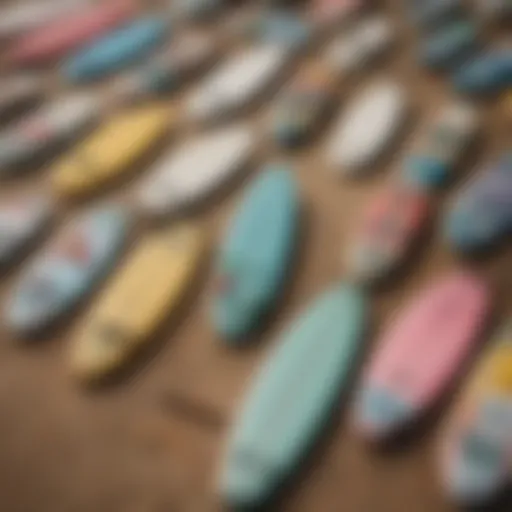
Innovative Longboard Designs: A Comprehensive Overview


Intro
In today’s fast-paced world, longboarding has transformed from a simple mode of recreation into an artful expression of style, engineering, and performance. With advancements in materials and design, enthusiasts and beginners alike are stepping onto boards that not only look good but perform optimally in various conditions.
Longboarding isn’t just about riding; it’s about the ride itself. The design of a longboard significantly affects not only how it looks but also how it rides. For starters, the shape impacts stability and maneuverability. Some boards are built for cruising down smooth streets, while others are designed for speed or trick execution. The right board can enhance performance, leading to a more exhilarating experience.
As we dive deeper into this overview, we’ll focus on specific designs that stand out in the market, offer practical advice for choosing the right board, and explore some of the creative minds behind these innovations. So, strap in; let’s glide through this fascinating world!
Techniques and Tips
When it comes to longboarding, knowing the ins and outs can make all the difference. Let’s break it down into two skill levels: beginners and seasoned enthusiasts.
Essential Skills for Beginners
- Balance and Posture
Finding your center of gravity is crucial. Keeping your knees slightly bent helps in maintaining balance as you ride. Remember to keep your head up; it helps with both balance and spotting hazards ahead. - Pushing Off
Start by positioning your dominant foot near the tail of the board. Push off with your opposite foot, and try not to overextend your stride. Keeping your motions fluid ensures a smoother ride. - Turning Techniques
Learn to lean into your turns. Shifting your weight towards the direction you wish to go enhances your ability to steer without falling off. Try practicing 'heel-side' and 'toe-side' turns to master the ability to navigate different terrains. - Stopping Safely
There are various stopping techniques like foot braking or using a slide stop. Foot braking involves dragging your back foot on the ground as you slow down, while sliding entails using your body weight to slide the board while turning.
Advanced Techniques for Seasoned Enthusiasts
Once you’ve got the basics well under your belt, you may want to elevate your longboarding skills. Here are some advanced techniques:
- Carving: This technique involves making smooth, flowing turns. It requires a combination of weight shifting and foot positioning which allows for greater control and allows you to maintain speed while turning.
- Slide Techniques: Slides help you control speed and navigate sharp corners. Techniques like the Coleman slide or the Smith slide are popular and can be learned through practice. If you can maintain your speed while executing a slide, you’re on your way to mastering the skill.
- Downhill Racing: If you find yourself drawn to speed, downhill racing might be your calling. It requires acute awareness of your surroundings and precision in maneuvering your board. Practice your turns and sliding techniques to feel the wind in your hair while racing downhill.
- Freestyle Tricks: Try incorporating tricks like kickflips or 180s. It’s all about using your creativity and practicing regularly. Develop a repertoire of tricks that add personal flair to your riding style.
Gear and Equipment
To achieve the best riding experience, it’s crucial to have the right gear. Here’s a closer look at the current trends in longboard equipment.
Latest Gear Reviews and Recommendations
Choosing the right longboard is pivotal. Here’s a breakdown of some current popular models:
- LandYachtz Dinghy: Known for its stability and maneuverability, making it ideal for beginners.
- Sector 9 Lookout: Offers great performance for cruising while providing a stable ride.
- Arbor Axis: This one combines quality with aesthetics and is suitable for both cruising and tricks.
When looking for a longboard, consider factors like construction materials, wheel size, and deck shape to choose the one that fits your riding style.
Maintenance and Safety Checks for Your Equipment
Regular maintenance goes hand in hand with performance. Here are some steps to keep your longboard in tip-top shape:
- Wheel Inspection: Check your wheels regularly for wear and tear. Replace them if they appear uneven or too worn down.
- Trucks Tightness: Ensure that your trucks are neither too loose nor too tight. Adjust them according to your riding style; looser for flexibility, tighter for stability.
- Deck Condition: Look for any chips or cracks in your board. Ensuring it remains structurally sound is vital for safety.
- Safety Gear: Always wear a helmet and consider pads for your wrists and knees. Safety should never take a back seat.
“A well-maintained board is not just a means to ride, it’s an extension of your passion.”
Prologue to Longboarding
Longboarding represents a unique blend of sport, art, and personal expression. The growing popularity of this activity in recent years has spotlighted how crucial it is to understand its core elements, particularly design. As we delve into innovative longboard designs, we uncover not just the aesthetics but also the technical specifications and performance enhancers that make each board unique. For those who appreciate the nuances in riding, understanding the full spectrum of longboard designs helps refine their choice in gear, enhancing both safety and enjoyment.
Definition of Longboarding
Longboarding is a variation of skateboarding that emphasizes cruising and downhill racing, characterized by a longer deck and wheels. This length allows for greater stability and easier control, making it a favored choice for those who might find traditional skateboards a tad too challenging. Riders often take longboards onto trails, through city streets, or even hit downhill runs, combining skills with a smooth ride. The boards typically range from 33 inches to even over 60 inches, welcoming a variety of riding styles and preferences.
Historical Context
The origins of longboarding can be traced back to the late 1950s when surfers in California sought ways to ride the waves when the ocean was flat. They looked to the streets, using modified skateboards to mimic surfing on land. Over the decades, longboarding evolved in both structure and style. In the 1970s, the emergence of polyurethane wheels transformed the ride quality, leading to increased interest in skateboarding gear in general. By the 1990s, more advanced designs featured drop-through and drop-down decks which provided even better stability at higher speeds.
Longboarding cultures surged in the 2000s, with the establishment of various communities and competitions. These developments have encouraged riders around the globe to design boards tailored to specific riding styles, leading to the innovative designs we see today. Top manufacturers have since invested time and resources in research and development, refining their products to suit the ever-evolving demands of enthusiasts. The intricate dance of historical influence and modern design is evident in today’s longboarding scene, making it crucial to appreciate where it all started as we explore contemporary solutions.
Design Elements of Longboards
The design elements of longboards are crucial in shaping how riders experience their ride. Each aspect plays a significant role in determining not only the aesthetic appeal but also the performance characteristics of the board. When selecting a longboard, riders need to consider these design elements to ensure they find a board that fits their specific riding style and preferences.
Deck Shapes and Sizes
The shape and size of a longboard's deck can vary significantly, which directly affects its handling and performance. Generally, longboards come in various shapes, including pintails, drop-throughs, and cruisers.
- Pintails are known for their pointed noses and wide tails, making them ideal for carving and cruising. They're popular among beginners due to their stability.
- Drop-through boards feature a lowered deck which provides a stand-up feel, making them extremely popular for downhill racing. The lowered center of gravity enhances control and reduces foot fatigue when riding for long periods.
- Cruiser boards are typically shorter and wider, perfect for casual rides around the neighborhood.
Material Choices
The materials used in longboard construction also influence weight, flexibility, and durability. The most common materials are wood, plastic, and composite materials.
- Bamboo and maple are often used for their strength and resilience. Bamboo is particularly valued for its lightweight properties and natural flex, making it suitable for cruising and carving.
- Plastic decks, on the other hand, are generally lighter and more affordable, but may compromise on durability. They cater to those looking for a fun, lightweight setup without the hefty price tag.
- Composite boards, which often combine layers of different materials, seek to bring performance and durability together. These boards typically offer a balanced riding experience satisfying a wide range of riders’ needs.
Choosing materials impacts how riders interact with their boards as well. Lightweight materials might tempt a more agile riding style, while sturdier constructions can be more forgiving during tricks or rough conditions.
Graphics and Aesthetics
The visual presentation of longboards plays a role that transcends mere appearance, often reflecting the personality of the rider. Graphics and aesthetics can range from minimalist designs to intricate artwork that can become conversation starters.
Many companies collaborate with artists to bring unique graphics to life, offering limited editions that can be collector's items. Whether it’s a splash of vibrant colors or detailed illustrations, these designs can significantly elevate the whole riding experience.
- Customization is also becoming quite the trend. Many brands offer riders options for customizing their own boards, allowing them to choose their graphics, color schemes, and even deck shapes. This personal touch can forge a stronger bond between rider and board.
When selecting a longboard, riders should consider how the graphics and overall look fit with their personal style and vibe.
The design elements of longboards not only enhance aesthetic appeal but also fundamentally influence the way a rider interacts with their board and the environment around them.
In summary, understanding the design elements of longboards—from deck shapes and sizes, to material choices, to graphic aesthetics—provides valuable insights for selecting the right board. A well-matched longboard can turn a simple ride into a profound experience.
Functional Design Aspects
The functional design aspects of longboards are central to understanding how these innovative boards serve riders in both everyday use and extreme scenarios. The unique balance between stability and maneuverability is important, shaping the experience for riders of all skill levels and preferences. Moreover, performance enhancements through thoughtful engineering can elevate the ride from mundane to extraordinary. As such, focusing on design features that prioritize functionality is not only beneficial, but essential for the evolution of longboarding as a sport and lifestyle.
Stability and Maneuverability
Stability and maneuverability may seem like conflicting ideals, yet they are the yin and yang of longboard design. Stability allows riders to feel secure at higher speeds or during intense maneuvers. Boards designed with a wider stance do provide this foundational stability, making them a go-to choice for downhill riders. Wider decks, for instance, help maintain a lower center of gravity, which is a fundamental principle in sports. Think of it like riding a sturdy, wide bike; the feeling of control can really inspire confidence!
On the flip side, maneuverability becomes paramount in urban settings where quick cuts and tight turns are necessary to navigate through city streets. A narrower wheelbase might assist in achieving sharper turns but could sacrifice some stability. Riders often face the dilemma of choosing between the two, favoring different designs based on their specific riding style.
The intricacies of board design influence these elements significantly. For example, using a drop-through deck lowers the rider's center of gravity and enhances both stability and maneuverability, making it suitable for city riding and cruising. Alternatively, top-mount decks usually offer more agility for tricks and sharp turns but can leave the rider feeling a bit less secure at high speeds.
"The way you carve through curves or dash down a hill changes completely based on the design you choose. It's not just a board; it's your partner in adventure."
Performance Enhancements
Performance enhancements in longboard design aren’t merely about speed; they encompass a range of attributes that improve ride quality and rider experience. Innovations in materials, such as lightweight composites and flexible woods, can vastly improve riding dynamics. For example, a longboard made from bamboo not only offers unique elastic properties but also provides a smooth ride that absorbs vibrations from uneven surfaces. Likewise, performance-enhancing elements like high-quality wheels and precision bearings are worth mentioning too.
Accompanying this, the trucks of a longboard play a vital role in how it performs. When riders want a smooth glide or instant responsiveness, choosing the right base plate and bushings can transform their ride. Some high-end models even allow users to experiment with different bushing shapes and durometers, tailored for their unique riding style.
Furthermore, wheel size and durometer are often overlooked aspects that can dramatically influence performance. Larger wheels are typically faster and better at rolling over obstacles, while smaller wheels can offer better grip and control during sharp turns. It’s a balancing act and boils down to personal preference as well as the riding conditions.
In sum, enhancing performance through thoughtful design leads to better control, smoother rides, and overall enjoyment of the longboarding experience.
Trends in Longboard Design
In today's fast-paced world of longboarding, staying ahead of the curve is vital. Longboard enthusiasts and manufacturers are continuously tweaking designs and experimenting with materials to enhance performance and aesthetic appeal. This section dives into the essential trends shaping longboard design, emphasizing how eco-friendly materials, technological advancements, and customization options come together to create boards that are not only functional but also resonate with the rider's identity.
Eco-friendly Materials


The push towards sustainability has led to a surge in the use of eco-friendly materials in longboard construction. Skateboard and longboard manufacturers are now employing bamboo, recycled plastics, and sustainably harvested woods. For example, bamboo is known for its strength and flexibility, making it an excellent alternative to traditional woods like maple. Boards made from such materials are not just kind to the environment; they often deliver a unique riding experience that many riders find preferable.
- Benefits: Using these materials aids in reducing the carbon footprint associated with traditional manufacturing processes. Additionally, riders can ride with a clear conscience, knowing their board aligns with sustainable practices.
- Considerations: However, shifts to more sustainable materials can come with challenges. Durability and performance are sometimes questioned, with manufacturers needing to strike a balance between eco-friendly practices and maintaining high-quality performance standards.
Technological Innovations
With technology advancing at lightning speed, it's no surprise that longboards are benefitting from the latest innovations. From improved wheel technology to smart features, boards are becoming more efficient and rider-friendly than ever before.
- One fascinating development is the incorporation of shock-absorbing materials and specialized wheel designs that minimize vibrations, allowing riders to navigate rough terrains with ease.
- Another exciting innovation comes in the form of smart longboards that sync with mobile applications, offering riders data on speed, distance, and even battery life for electric models.
"By integrating technology into the design, we are not just enhancing performance but also enhancing the entire riding experience."
While these technologies often enhance the functionality and safety of longboards, they can, at times, inflate the price tag, making it essential for riders to understand their specific needs before diving into the latest tech.
Customization Options
The personal touch has found its way into the longboarding world, allowing riders to truly express their individuality through customized boards. Beyond choosing shapes and colors, some manufacturers offer extensive personalization options that let riders design their graphics, deck size, and even performance characteristics.
- Aesthetic Customization: Many riders are opting to showcase their personal style through unique artwork or designs, creating truly one-of-a-kind boards.
- Technical Customization: Performance-wise, riders can customize their boards for specific performance styles—like downhill racing or cruising—by selecting different wheel sizes, deck flex, and materials.
Customization is more than just about aesthetics; it's about creating a connection between the rider and their board. This trend underscores the growing importance of rider identity in longboarding culture.
Inspirational Longboard Designs
Inspirational longboard designs serve as a crucial aspect of the longboarding culture, reflecting creativity, individual expression, and community values. These designs not only enhance the visual appeal of the boards but also elevate the riding experience, making it more reflective of the rider's personal style and passion. From captivating graphics to innovative shapes, these boards embody the spirit of the sport and create a vibrant community among enthusiasts.
Artistic Collaborations
Artistic collaborations between longboard manufacturers and artists have become a hallmark in the world of longboarding. These partnerships leverage the unique skills of artists to transform mundane boards into stunning pieces of art. For instance, consider the collaboration between longboard brands like LandYachtz and street artists. By working hand-in-hand, artists can infuse their creativity into the longboard design, resulting in boards that are not only functional but also visually striking.
By utilizing various techniques, ranging from intricate hand-painted designs to vibrant digital prints, these collaborations bring forth a multitude of artistic expressions. Such boards often tell a story or convey a message, connecting riders on a deeper level.
An example of this can be found in the Firefly line, where each board acts almost like a canvass showcasing vibrant sunsets or mystical landscapes, appealing to nature lovers and art enthusiasts alike. These designs spark conversation and promote a sense of belonging within the longboard community.
Moreover, collaborating with artists not only adds to the aesthetic aspect but also increases demand for limited-edition boards, as collectors and riders alike seek to own these artistic marvels. With each board representing the artist's unique flair, the value of such boards can appreciate significantly over time.
Limited Edition Boards
Limited edition boards take the concept of creativity to further heights, often becoming a collector's dream. Companies frequently release these special editions to commemorate events, festivals, or notable collaborations, creating excitement and exclusivity within the riding community. For example, brands like Santa Cruz have launched limited series where the designs feature unique graphics and technology, appealing to gearheads and aesthetic aficionados.
These boards often sell out rapidly, driven by their uniqueness and elevated demand, creating a sense of urgency among buyers. Riders not only receive a high-quality board but also become part of an exclusive club, owning something rare and coveted.
Collectors might see investment in limited edition boards as both an appreciation for craftsmanship and an opportunity to showcase their distinct taste in longboarding design. In some instances, these boards become legendary, representing specific milestones or iconic designs that resonate widely within the biking culture. It’s essential for riders to stay informed about upcoming limited editions, which can often be found through official brand pages or community forums on platforms like Reddit.
In summation, inspirational designs in longboarding represent the intersection of art, culture, and community. Whether through artistic collaborations or limited editions, these creative endeavors not only enhance the aesthetic appeal of the boards but also reinforce the camaraderie and identity among riders.
"Art is not what you see, but what you make others see." – Edgar Degas
This notion rings true within the longboarding community, where every ride and every board contributes to a larger narrative, inspiring both riders and creators alike.
For further reading on longboard community and events, check out resources like Wikipedia, Britannica, and local community pages for riding events.
The Role of Riders in Design Evolution
When we talk about longboards, it’s easy to think that they're just pieces of wood with wheels stuck on. However, the reality is far more nuanced. Riders are the heartbeat of longboarding culture, and their experiences and preferences directly shape how longboard designs evolve. This section highlights why rider feedback and community work are crucial to longboard innovation.
Feedback on Performance
Every time a rider takes their board out for a spin, there’s a wealth of feedback being generated. Riders often develop a strong intuition about the performance of their boards; they notice how a board feels during different types of riding—whether it's cruising down a hill or carving through a turn.


Here are some specific ways in which rider feedback impacts longboard designs:
- Ergonomic Adjustments: Riders often point out non-comfortable features that can lead to fatigue. For example, a rider may find that a deck's width is too narrow for their foot size, prompting manufacturers to widen the design.
- Stability Issues: If several riders mention that a certain design feels wobbly at higher speeds, brands are likely to examine the weight distribution and adjust it for improved stability.
- Material Preferences: Feedback might also highlight riders’ preferences for certain materials—some prefer bamboo’s flex, while others favor fiberglass for its rigidity. Manufacturers pay attention to this, evolving their material choices based on the feedback.
Riders' performance insights can catalyze significant adjustments, ending up creating boards that cater to a broader audience.
Community Influence
Beyond individual input, the longboarding community plays a massive role in influencing design trends. This collective voice serves to amplify certain features or aesthetics that appeal to the masses. The culture surrounding longboarding is rich and diverse, encompassing various styles and philosophies.
Consider the following elements of community influence:
- Online Forums and Social Media: Platforms like Reddit and Facebook provide spaces for riders to share their experiences and recommendations about specific boards and setups. This dialogue not only informs potential buyers but also signals trends to manufacturers.
- Local Scene Initiatives: Local events or meetups often showcase different longboard designs, allowing varied riders to interact directly with brands. These gatherings can accelerate design feedback loops, with riders trying out prototypes and sharing immediate thoughts.Often, these events inspire manufacturers to create limited editions or collaborations based on popular demand.
- Cultural Impact: Longboarding has been featured in various media formats, from films to music videos, influencing the designs that appeal to specific demographics. As a result, brands tend to listen closely to what resonates with riders, often producing designs that reflect the community's identity.
Ultimately, the interaction between riders and manufacturers is not one-sided. It’s a symbiotic relationship where both parties benefit from the exchange—riders receive better products and brands get to innovate based on real-world input.
"Great boards come from understanding the riders. We listen to what they want, then we build it. It's that simple." — A longboard designer
The influence of riders in the evolution of longboard designs is profound. Their feedback and communal efforts pave the way for new experiences, keeping the whole sport evolving and thriving.
Cultural Impact of Longboarding
Longboarding has transcended its humble beginnings, creeping into the fabric of culture across various societies. Unlike conventional skateboarding, which often carries a rebellious image associated with urban youth, longboarding possesses a unique charm that resonates with a broader audience. This section delves into the cultural impact of longboarding, revealing not just its role in shaping communities but also its enduring influence on popular media and lifestyle choices. As we ride through this discussion, it’s clear that longboarding is more than a leisure activity; it has morphed into a lifestyle choice, embodying freedom, creativity, and a sense of belonging.
Longboarding in Popular Media
Longboarding has carved out a significant niche in popular media, seeing an increasing presence in films, documentaries, and online platforms. These portrayals serve not only to entertain but also to bring forth the longboarding community's ethos. Consider the impact of films like The Lizard King, which captures the passions of longboarders, or documentaries showcasing the journeys of world-class riders.
Media representations often highlight unique longboard styles, breathtaking scenery, and various riding techniques, showcasing a kaleidoscope of artistic expression that can captivate even the uninitiated. In a sense, longboarding in media embodies stories of daring escapades and personal growth, resonating well with audiences outside the niche.
Social media has also played a key role in this cultural phenomenon. Platforms such as Instagram and TikTok overflow with videos of riders showcasing their skills, from cruising down scenic hillsides to performing tricks that defy gravity. These outlets connect like-minded enthusiasts, enabling the sharing of tips, tricks, and experiences across the globe. The influence of hashtags like #longboardlife and #longboardcommunity brings enthusiasts together, seamlessly blending cultures and lifestyles.
"Longboarding is more than just a ride; it’s a canvas for self-expression, a bridge connecting diverse cultures, and a lifelong pursuit of freedom on wheels."
Community and Lifestyle
The longboarding community is a vibrant tapestry woven from threads of friendship, adventure, and a shared passion for riding. Longboarding clubs and meet-ups populate parks and urban landscapes, fostering connections among riders from diverse backgrounds. These gatherings don’t merely revolve around riding; they often feature workshops, competitions, and social events, further solidifying the bonds that riders form. In essence, longboarding becomes a catalyst for cultivating relationships and boosting local economies through events.
Riding also integrates smoothly into an active lifestyle, promoting fitness and mental well-being. As riders navigate through neighbourhoods and parks, they engage with their surroundings in ways few activities allow. Additionally, customization and personal expression take center stage. Shaping one’s board and choosing gear that reflects individuality can strengthen a rider’s identity within the community.
From the first push on a longboard to conquering steep hills, riders experience a journey that reflects personal growth, resilience, and the joy of pushing one's limits. Because of these elements, longboarding has created not only a recreational practice but also a lifestyle that celebrates creativity, community bonding, and pursuit of freedom.
Ultimately, the cultural impact of longboarding is a multifaceted phenomenon. It intertwines with popular media to inspire and charge its community, while simultaneously creating lifestyle choices that emphasize connection and expression. As the years roll on, it's expected that this impact will continue to evolve, drawing more people into the fold of longboarding and its vibrant culture.
Epilogue: The Future of Longboard Design
As we wrap our exploration of longboard designs, it's worth emphasizing that we are standing on the brink of a remarkable evolution in this area. The future of longboard design is not just about enhancing performance; it’s about creating an entire experience that aligns with the lifestyle of riders. The choices that manufacturers make today will set the stage for tomorrow's innovations. There are specific elements that will likely shape this very future.
Emerging Trends
When we consider trends, several overarching themes come to the forefront. Eco-conscious designs have surged in popularity. More brands are using bamboo, recycled plastics, and sustainable woods. It’s like the industry finally took heed that Mother Nature won't take kindly to disregard.
- User Experience: Riders want boards that feel right for their body type and riding style. Customization options, wherein users can select components based on their own preferences, is gaining traction.
- Technology: Integration of smart devices like Bluetooth speakers, GPS, or even performance tracking apps is no longer outlandish. These tools let riders monitor their speed, distance, and more, adding layers to the sport.
- Aerodynamics and Stability: Advances in engineering may lead to designs that are not only faster but also offer enhanced stability at high speeds. Riders who crave the thrill of downhill rides will benefit enormously from this.
The Intersection of Art and Function
One brilliant aspect of longboard design is its dual nature. It’s where artistry meets functionality, blending street aesthetics into a high-performance vehicle. Over the years, boards have become canvases for artists to showcase their visions. Custom graphics and collaborations with designers have surged. This side of the industry is vibrant and dynamic.
- Aesthetic Appeal: Visually striking designs, featuring intricate art or bold graphics, attract more eyes and reflect the rider’s personality, often serving as a representation of their identity.
- Functional Graphics: Some designs aren’t just for show; they serve a purpose too, be it providing better grip through texture or enhancing visibility in low-light conditions.
The future of longboard design, therefore, is a harmonious blend of aesthetic appeal and practical performance. As we watch these trends unfold, it becomes clear that the journey of longboarding is as thrilling as the ride itself. Riders, designers, and manufacturers all have a role in shaping this exciting landscape. The interplay of creativity and engineering will continue to blossom, propelling this sport to new heights.
"Innovative longboard design is like a canvas—every board tells a story, merging personal expression with cutting-edge technology."
For more insights on sustainable designs, feel free to check Wikipedia or join discussions on forums like Reddit to engage with fellow enthusiasts.