Understanding Sailboarding: History, Techniques, and Impact
Intro
Sailboarding is a sport that has taken the watersport community by storm. It combines the thrill of surfing with the grace of sailing, offering practitioners a unique experience on the water. As the wind fills the sail and the board glides over the waves, there’s an undeniable adrenaline rush that can only be matched by few activities in life. But beyond the immediate excitement, there lies a rich tapestry of history and technicality that shapes the very essence of this exhilarating pastime.
Often referred to as windsurfing in some circles, sailboarding finds its roots in the mid-20th century. This innovative sport has evolved significantly, adapting to new technologies and techniques, and gathering a passionate community of enthusiasts. What was once seen as an experimental fusion of various water sports has matured into a refined activity revered for its blend of skill, physicality, and connection with nature.
Sailboarding requires a fundamental understanding of its key components—techniques, equipment, and safety measures. Whether you're just dipping your toes in or you’re a seasoned sailor with years of experience, there’s always more to uncover in this rapidly shifting domain. The following sections aim to untangle the nuances of sailboarding, shedding light on the essential knowledge every practitioner should possess.
Preamble to Sailboarding
Sailboarding combines the thrill of sailing, the artistry of surfing, and the techniques of windsurfing. It's not merely a sport; it's a lifestyle for many, encapsulating a sense of freedom and adventure on the water. By grasping the fundamentals of sailboarding, practitioners can truly appreciate the blend of skill and nature that this activity offers. The importance of understanding this sport lies in its dynamic nature and the various elements that contribute to a fulfilling experience.
Those who venture into sailboarding quickly find that it demands more than just physical prowess. Knowledge of weather conditions, equipment maintenance, and safety measures play indispensable roles in a sailor’s journey. Moreover, for outdoor enthusiasts, the exhilaration of riding waves with the wind at your back is unlike any other. Navigating the oceans with a sailboard instills a sense of connection with nature that is both powerful and humbling.
Understanding the intricacies of this sport can benefit individuals, coaches, and instructors alike. It encourages a deeper connection with one’s surroundings and enhances technique through mindful practice. For travelers, learning about sailboarding opens up new horizons, offering unique recreational opportunities around the globe.
Definition and Concept
Sailboarding can be defined as a water sport that involves riding on a board equipped with a sail, using wind power to glide across the water. The word ‘sailboarding’ is often interchangeable with windsurfing, although there may be slight differences depending on regional terminology and specific board configurations. It's essential to emphasize that the sport is accessible to a wide range of individuals, irrespective of their prior experience.
At its core, sailboarding invites enthusiasts into a world where skill mastery intertwines with personal expression. From savoring a gentle breeze on calmer days to riding the waves during a storm, there’s a plethora of techniques and levels to explore. The simplicity of harnessing the wind's power contrasts with the complexities involved in balancing, steering, and maneuvering the sailboard.
Brief History
The roots of sailboarding trace back to the 1960s when innovative surfboard designs began to incorporate sails. A pioneer in this field, Jim Drake, developed the first windsurfing board, which would soon gain traction across coastal communities around the world. As it spread in popularity, sailors began experimenting with various shapes and materials to enhance performance.
By the late 1970s and early 1980s, professional competitions began to take form, with events sprouting up in California and beyond. Advancements in technology greatly influenced the design and functionality of equipment, making the sport more accessible and enjoyable. Sailboarding's evolution mirrors the innovation in materials and techniques, from lightweight sails to super-responsive boards that transform the experience for users.
Sailboarding is not just about the ride; it’s about the journey through its rich history and the community that grows around it.
Fast forward to the present day, and sailboarding is a fully recognized sport, with clubs and competitions established globally. Enthusiasts gather not only to compete but also to share knowledge and passion about sailboarding, emphasizing the sport's communal spirit. It’s a celebration of creativity, athleticism, and the natural elements that define the beautiful experience of gliding over water.
The Evolution of Sailboarding
The journey of sailboarding is a fascinating interplay of innovation, skill, and passion. Understanding this evolution is crucial because it highlights how the sport has transformed over decades, adapting to new technologies and the changing preferences of enthusiasts. Each phase in the evolution reflects not only a shift in equipment but also the community's burgeoning culture, which has played a significant role in shaping today’s sailboarding landscape.
Early Developments
Sailboarding traces its roots back to the experimental designs that emerged in the 1960s. Initially, crude prototypes were made using existing sailing and surfing gear, which didn’t always blend well. Early enthusiasts, often referred to as "wind surfers," fashioned makeshift boards, attaching sails to them in their garages or backyards. While these early contraptions lacked the refinement of modern boards, they were crucial in setting the stage for what was to come.
The sport began to gain traction in California, where the beaches provided an ideal environment for testing these new concepts. Individuals started to organize informal competitions, which helped forge a sense of community. As more people became intrigued by this new activity, sailboarding started to attract attention from equipment manufacturers.
"The beauty of those early days was the freedom to innovate. Each wind surfer was a pioneer in a way, carving their niche and contributing to what became a global sport."
Technological Advancements
As the 1970s rolled around, technological advancements kicked in, revolutionizing the sailboarding scene. Designers looked closer at hydrodynamics and aerodynamics, developing boards that were lighter and more durable. Materials such as fiberglass and epoxy began to replace wood and earlier composites, enabling boards to glide over the water with significantly less drag. This enhancement in maneuverability dramatically changed the game.
New sail designs emerged that maximized wind capture. High-performance sails crafted from lightweight and strong polyester or mylar facilitated higher speeds and better control. The introduction of adjustable harnesses also allowed sailors to more effectively transfer wind energy to propulsion, altering the dynamics of the sport for good. These changes not only improved performance but also made the sport more accessible to a wider audience.
The evolution didn’t stop there; advancements like the introduction of foot straps gave riders better control and stability, paving the way for new techniques and tricks that became hallmarks of the sport. This era marked a shift where sailboarding began to be viewed not just as a casual pastime but as a legitimate competitive sport with events sprouting worldwide.
Essential Equipments for Sailboarding
Understanding the essential equipment for sailboarding is like getting the right tools for a carpenter; without them, the craftsmanship might not reach its full potential. Each component plays a vital role in ensuring a well-rounded and enjoyable sailboarding experience. Effective gear not only influences your performance but also enhances safety and comfort out on the water. In this section, we will dive into the types of sailboards available, key considerations regarding sails and rigging, as well as essential accessories and safety gear.
Types of Sailboards
Freestyle Boards
When it comes to freestyle boards, these are designed for performance-oriented tricks and maneuvers, making them a top choice for riders looking to showcase their skills. A key characteristic of freestyle boards is their shorter length and wider shape, allowing for enhanced maneuverability. This design is particularly beneficial for executing jumps, spins, and other acrobatic moves on the water.
A unique feature of freestyle boards is their use of a forgiving flex pattern that assists in landing difficult tricks smoothly. However, they might pose a challenge for beginners since they can feel less stable during high-speed sailing compared to other board types. In essence, freestyle boards are perfect for those keen on pushing the boundaries of their skills while still enjoying the thrill of sailboarding.
Slalom Boards
For those who thrive on speed and precision, slalom boards are the go-to option. These boards are keenly engineered for rapid turns and quick acceleration, making them suitable for competitive racing as well. The elongated shape of slalom boards contributes to their ability to slice through water with minimal drag, which is essential for outracing opponents or simply carving through waves efficiently.
Slalom boards shine in how they handle demanding wind conditions. Riders can maximize their speed by efficiently navigating tight turns. However, they can be less forgiving for inexperienced sailors, requiring a well-developed skill set to harness their full potential safely. Therefore, they serve as an exemplary choice for athletes seriously committed to enhancing their racing capabilities.
Wave Boards


Crafted for the ultimate thrill of tackling waves, wave boards cater to riders who enjoy the exhilaration of catching swells. Typically shorter and wider, wave boards are characterized by their ability to maneuver easily in choppy water and execute sharp turns while riding on waves. Their unique construction, with a pronounced rocker shape, allows riders to stay agile, making them a popular pick among wave enthusiasts.
Although wave boards offer fantastic performance for skilled sailors, they can be less stable on flat waters. Novice sailors might find them challenging to control when the water is calm. Yet for those who revel in the dance with nature's elements, wave boards embody the spirit of sailboarding at its wildest.
Sails and Rigging
Material Considerations
The materials used in sails and rigging are crucial to both the performance and lifespan of your sailboarding gear. Many sails are made from durable yet lightweight materials like mylar or dacron, which boast strength and resistance to wear and tear. This ensures that your sail can withstand the powerful forces it encounters during use.
The choice of material plays into various factors, such as ease of handling and responsiveness. A well-constructed sail from high-quality material gives you better control and improved performance overall, especially in varying wind conditions. However, such sails often come at a steeper price. Choosing subpar materials may save you money short-term, but it can lead to frustrations and compromises in safety down the line.
Choosing the Right Size
Selecting the appropriate sail size is pivotal to ensuring a smooth sailboarding experience. Generally, sail sizes vary based on wind conditions and rider skill level. For beginners, a larger sail can provide more power and ease of use in light winds, while seasoned riders may opt for smaller sails that allow greater maneuverability and quicker adjustments in stronger winds.
A common consideration is that oversized sails can become unwieldy during gusty conditions, leading to difficulty in control. It’s advisable to consult with experienced sailors or instructors to select the right sail size based on your weight, skill level, and the typical wind patterns of your chosen sailing location. This tailored approach not only maximizes enjoyment but also enhances safety on the water.
Accessories and Safety Gear
Impact Vests
Impact vests are a necessity for any sailor looking to ensure their safety while engaging in dynamic maneuvers. These vests are specifically designed to provide additional buoyancy and cushioning, which can prevent injuries during falls or collisions. A key characteristic of impact vests is their lightweight design, allowing for comfortable movement without hindering performance.
When engaging in tricks and jumps, the extra padding can be invaluable. Additionally, they often come equipped with reflective materials for visibility on the water, further enhancing safety. However, finding the right fit is crucial; a vest that’s too loose may not offer adequate protection, while one that’s too tight could restrict movement. Ultimately, impact vests cater to the needs of those who prioritize safety in a thrilling environment.
Helmets
While not always top of mind, helmets are essential safety gear for sailboarders. They protect not just against accidental falls but also from the risk of impact should you collide with other boarders or hazards in the water. Their main advantage lies in their capacity to absorb shock and disperse impact forces, rendering them a practical inclusion in extreme sailing conditions.
Many modern helmets also feature ventilation systems that keep you cool without compromising structural integrity. Though some may argue that helmets can feel cumbersome, the peace of mind they provide far outweighs the minor inconvenience. Correctly fitted helmets can dramatically reduce the risk of head injuries, making them indispensable for both novice and experienced sailors alike.
Wetsuits
Wetsuits serve a dual purpose—they provide thermal protection in cooler waters and serve as a layer of abrasion resistance. The unique insulating properties of wetsuits allow sailors to stay comfortably warm, which is crucial during longer sessions out at sea. Particularly, wetsuits made with flexible neoprene provide an excellent range of motion, ensuring that movement isn’t restricted while you navigate through waves.
Using wetsuits can also prevent scrapes and abrasions that may occur during a fall, thereby enhancing overall safety. It's noteworthy that the thickness of the wetsuit should align with the water temperature—thinner suits for warmer conditions and thicker suits for colder environments. Hence, investing in a well-fitted wetsuit can significantly enhance comfort and safety in various water temperatures.
Techniques for Mastery
Understanding the techniques involved in sailboarding is crucial for anyone looking to fully experience the sport. Mastery over these techniques not only elevates performance but increases safety, ensuring that participants can enjoy the thrilling nature of sailboarding without unnecessary risk. Techniques can be split into basic maneuvers suitable for beginners and advanced skills for more seasoned practitioners. Each aspect contributes to the overall enjoyment and efficiency on the water, making it essential to focus on learning and refining these abilities.
Basic Maneuvers
Starting Off
Starting off is perhaps the most fundamental maneuver in sailboarding. When setting out, it's important to position yourself correctly on the board, keeping a low center of gravity and positioning your feet effectively. The key characteristic of starting off is the initial sail positioning and balance.
A good start translates into smoother sailing. It gives the sailor a better chance of catching the wind efficiently. This technique is a beneficial choice for learners because it forms the foundation for more complicated moves. If you don’t start correctly, it can lead to frustration on the water.
One unique feature of the starting off process is the initial grab of the sail combined with the coordination of foot movements. If a fall occurs, it often happens due to balancing improperly or uncoordinated foot placements, which can lead to an unwanted splash. The advantage of mastering this technique is confidently transitioning from a stationary position to gliding smoothly, setting a solid groundwork for future maneuvers.
Turning Techniques
Turning Techniques are essential for navigating various water conditions and maximizing speed. A key characteristic of turning effectively lies in the ability to shift body weight while simultaneously controlling the sail.
For those more experienced in sailboarding, turning becomes second nature, allowing for quick adjustments based on wind and wave conditions. This technique is popular because it not only aids in direction changes but also assists in harnessing more speed during the course, which is vital for recreational and competitive sailboarding alike.
However, the unique aspect of turning techniques is the balance between lean and pull, using the body weight to initiate a turn without losing speed. Some novices may find themselves inadvertently slowing down during turns, but with practice, the ability to make sharp turns while maintaining pace becomes a reality. Mastery of these techniques not only enhances riding skills but also promotes a deeper connection with the craft.
Advanced Skills
Jumping
Jumping, as an advanced skill, represents the pinnacle of excitement in sailboarding. Its appeal lies in the thrill of flight and the ability to perform tricks during the leap. The distinctive characteristic of jumping is its reliance on timing—the right wind conditions and the correct wave stance are essential for a successful leap.
For those seeking an adrenaline rush, jumping is an enticing and popular choice. It captivates both participants and spectators alike. However, there’s a notable risk involved; misjudging the wind or wave can lead to unwelcome tumbles into the water. The unique feature is the potential for creativity, as the sailor can incorporate various tricks and styles, making it a wondrous aspect of advanced sailboarding.
Wave Riding
Wave riding combines the thrill of speed with the grace of maneuverability. This skill is characterized by the rider’s ability to harness the power of ocean waves and adjust their body positioning to ride alongside or over the crest.
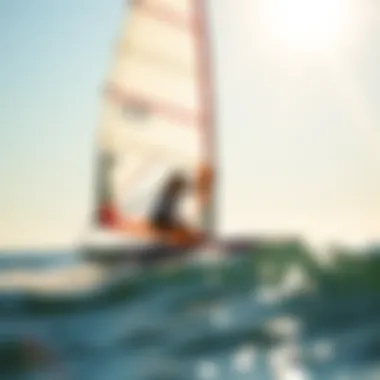

As a technical skill, wave riding is beneficial not just for the challenges it presents but also for the breathtaking experiences it offers. Here, riders can feel the raw power of nature as they navigate through waves. There's a certain freedom that comes from mastering this skill. However, the unique feature of wave riding is the requirement for situational awareness and rapid adaptability, as the conditions of waves can shift unpredictably.
While the thrill is undeniable, beginners should be cautious, as misjudging a wave could lead to serious accidents. Ultimately, the advantages of wave riding include not only increased control and speed but also the sheer joy of gliding over a moving surface, blending skill with nature's whimsy.
Mastering these techniques amplifies the pleasure of sailboarding and ensures both safety and excitement on the water.
As sailboarding continues to evolve, the techniques one can learn will enhance outdoor enthusiasts’ experiences significantly. For those looking to dive deeper into communities dedicated to sailboarding or to discover new resources, websites like sailboarding.org and forums on reddit.com can provide valuable insights and connections.
Sailboarding Locations
Sailboarding, a sport that thrives on the dance between wind and water, is inherently tied to the geographical canvas it paints itself upon. Choosing the right location is more than just a backdrop; it can shape the entire experience and skill level of the rider. Factors such as wind strength, water conditions, and scenic beauty play critical roles in determining the best spots for sailboarding. A good location can foster an environment conducive to learning and mastery, while also providing unique challenges for seasoned pros.
The thrill of harnessing the power of the wind is best experienced in places where conditions are optimal. Sailboarding locations not only offer the chance to indulge in the sport but they also present opportunities for community engagement. Here, enthusiasts can gather, share tips, support each other in competitions, and enjoy the social aspect that this sport provides.
Popular Global Destinations
When it comes to sailboarding, several locations have steadily made their mark on the international stage, attracting professionals and amateurs alike. Here are a few standouts:
- Hood River, Oregon, USA: Renowned for its consistent winds and diverse water conditions, Hood River has become a mecca for sailboarders. The Columbia River lays out expansive views while providing reliable winds during the summer months.
- Tarifa, Spain: Located at the convergence of the Mediterranean and Atlantic, Tarifa is a hotspot that boasts strong winds nearly year-round. This region is favored not just for the wind, but the vibrant culture and breathtaking beach landscapes.
- Maui, Hawaii: There's a reason Maui is often called the windsurfing capital of the world. The north shore is characterized by ideal wind conditions, alongside stunning landscapes that further enrich the experience.
- Cabo Verde: This island group off the coast of Africa presents a unique mix of conditions, making it an attractive spot for sailboarders after that perfect wave combined with steady winds.
Most of these spots not only cater to experienced riders but also extend their welcoming arms to beginners, offering lessons and rentals to ease newcomers into the sport. Take a trip to such destinations, and you're bound to find a friendly fellow sailboarder willing to share knowledge or even a taste of local delicacies.
Hidden Gems
While the famous spots grab headlines, there are numerous hidden gems in the sailboarding world deserving of attention. These lesser-known locations often promise untouched beauty and fewer crowds, enhancing the sailboarding experience.
- Langebaan, South Africa: Just a short distance from Cape Town, Langebaan is loved for its warm waters and consistent winds. It’s particularly fun for novice sailboarders, thanks to the expansive shallow lagoons.
- Paje, Zanzibar: This stunning beach not only stuns with its turquoise waters and white sands but is also embraced for its steady trade winds. Here, you can enjoy not just sailboarding but also the rich culture of Zanzibar.
- Gili Islands, Indonesia: For those looking for paradise, the Gili Islands are an excellent option. The breezy conditions paired with crystal-clear waters make for a picturesque setting.
- Lake Garda, Italy: Famous amongst European windsurfers, Lake Garda features microclimates that ensure different wind conditions throughout the day. This variety allows for exploration and adventure in one locale.
Exploring these hidden gems can be rewarding, providing a sense of belonging to a tight-knit community that embraces the culture of sailboarding while simultaneously appreciating nature’s gifts. These locations may require a bit of digging to uncover, but the rich experiences will make your adventures worthwhile.
"Sailboarding locations are not just spots on a map; they are gateways to adventure, community, and self-discovery. Each wave and gust reveals a different story."
For more information on sailboarding and specific locations, visit Wikipedia or Britannica.
Explore local forums on platforms like Reddit to find reviews and insights on lesser-known spots.
Safety Practices in Sailboarding
When it comes to sailboarding, safety may not always be the first thing on one’s mind, but it ought to be a priority. Engaging in such a dynamic sport without a proper understanding of safety practices can lead to potential accidents or worse. Emphasizing these safety measures not only protects individual athletes but also fosters a respectful environment within the wider community. This section thoroughly explores critical safety practices necessary for both novice and seasoned sailboarders, highlighting weather awareness, safe distancing, equipment checks, and other practical considerations.
Understanding Weather Conditions
Weather plays a pivotal role in the overall experience of sailboarding. A keen awareness of conditions can mean the difference between a thrilling adventure and a risky situation. Sailboarders should scrutinize the forecasts before heading out. Here’s what to keep in mind:
- Wind Speed: Understanding the wind speed is crucial. Beginners might find wind speeds under 15 knots manageable, while experienced sailors can handle 20 knots or more. However, anything above 30 knots often poses severe risks for all skill levels.
- Water Conditions: Wave heights and water currents can quickly escalate into dangerous situations. Stormy weather can stir up unpredictable waves, enhancing the risk of capsizing or injury.
- Weather Changes: Conditions can shift unexpectedly, especially if one is far from shore. Keeping an eye on dark clouds forming or a sudden drop in temperature can be vital indicators that it’s time to pack up.
By regularly checking weather updates—websites like NOAA or WindFinder can provide reliable information—sailboarders equip themselves to make informed choices about when and where to sail.
"Preparation strikes a chord with those who value safety; weather information is like the compass guiding the journey on water."
Maintaining a Safe Distance
Equally important is maintaining a safe distance from others while sailboarding. The open water can quickly get crowded, especially in popular spots. Keeping this in mind can help not only in preventing accidents but also in promoting a friendly atmosphere:
- Spacing Out: Sailboarders should ensure they have ample space between themselves and other riders. A common guideline is to maintain a distance of at least 30 feet. This buffer allows for unexpected maneuvers and preferences to avoid collisions.
- Awareness of Surroundings: Being alert to the presence of other sailor and obstactles in the water can prevent unfortunate accidents. Regularly looking around—even amidst sailing—helps anticipate the actions of nearby sailors as well as the movement of boats.
- Navigational Rules: Respecting the unwritten rules of the sea can prevent most issues. Knowledge of a right-of-way system helps to avoid clashes. For instance, remember that the sailor on a starboard tack (wind coming from the right) has the right of way over others.
Maintaining proper distance doesn’t only reduce risk; it enhances the overall experience of sailboarding. Knowing you’re among fellow enthusiasts who prioritize safety fosters a positive vibe in the community.
Engaging in sailboarding involves understanding not just the thrill of the sport, but also the importance of practicing safety diligently. As this sport continues to grow, ensuring safety practices are followed becomes even more crucial to nurture its future generations.
Maintenance of Sailboarding Equipment
Maintaining sailboarding equipment is crucial for every enthusiast, whether you're just starting out or have years of experience. Much like any gear, the upkeep of sailboards, sails, and accessories directly influences performance, safety, and longevity. A well-maintained setup not only enhances enjoyment but also saves money in the long run, ensuring you’re not frequently replacing worn-out parts. Additionally, properly maintained equipment can also significantly improve your performance on the water, allowing for a more thrilling experience.
Regular care routines can help identify problems before they escalate, contributing to a safer environment for all. Hence, understanding this maintenance process is indispensable for anyone seeking to dive deeper into the world of sailboarding.
Cleaning and Care
Cleansing your sailboarding equipment is the initial step in maintenance. After all, a clean board rides better, and by clearing away salt, sand, and grime, you’re preserving its structural integrity. Here are some best practices:
- Rinse with fresh water: After every outing, hose down the board, sail, and rigging with fresh water. This action helps dissolve salt and other debris, which can cause degradation over time.
- Use soft cloths: A gentle scrub with a soft cloth prevents scratches. Use a non-abrasive cleaner if you need to deal with tougher stains on your equipment.
- Focus on the rigging area: Ensure you clean around the mast base, as well as the downhaul and outhaul lines, where dirt tends to accumulate.
Tip: Use a mild soap solution for stubborn stains but avoid anything that’s excessively harsh, as it can deteriorate materials. Additionally, inspect your gear for wear and tear while cleaning, as this helps prepare for prompt repairs if needed.
Storage Tips
Proper storage is equally essential for extending the lifespan of your equipment. A few simple guidelines go a long way:
- Dry your gear completely: Ensure everything is dry before putting it away. Moisture can promote mold or mildew, particularly in sails and other fabric components.
- Store in a cool, dry place: Keeping your equipment out of direct sunlight will help prevent the UV damage that can weaken fabric and plastics over time. A garage or storage shed is ideal, but if a direct sun is unavoidable, consider a UV protection cover.
- Keep equipment organized: Use storage bags for sails and separate storage for boards. This not only protects them from physical damage but also keeps everything in one place, which is helpful when you’re gearing up for your next adventure.
"Practice maintenance, and you practice success. It’s not just about sailing; it's about keeping the passion alive."
Stowing boards vertically can also save space and make it easier to access when needed, while not compressing the sail materials protects their shape. Regular upkeep involves not just cleaning and storage but also periodic inspections to detect any flaws before they become problematic. Caring for your gear like this not only translates to better performance on the water but shows appreciation for the sport itself.
The Environmental Impact of Sailboarding
Understanding the environmental impact of sailboarding is crucial for both enthusiasts and newcomers alike. This engaging water sport can be a fantastic way to connect with nature, but it comes with responsibilities. Sailboarding can alter the ecosystem of coastal regions if not approached thoughtfully. Looking at specific elements like the choice of materials, potential pollution from equipment, and the effects on marine life, this analysis aims to shed light on how practitioners can enjoy the sport while safeguarding the environment.
Sustainable Practices
Adopting sustainable practices within sailboarding can significantly mitigate its environmental impact. Here are several key approaches that can enhance this goal:
- Eco-friendly Equipment: Opt for boards and sails made from sustainable materials. For instance, some brands have started using recycled plastics or bio-resins to manufacture their products.
- Local Buying: Support local manufacturers and suppliers. Purchasing gear that is crafted from local resources reduces carbon emissions related to transportation.
- Responsible Travel: When traveling to different sailing locations, minimize your carbon footprint by considering public transportation or carpooling with fellow enthusiasts.
- Respect for Wildlife: Understand the local marine life. Keep an eye on restrictions or protected areas in coastal waters to prevent disturbing habitats.
Implementing such practices not only creates a more sustainable community but also enhances the overall experience of being outdoors, turning a fun activity into one that nurtures our planet as well.
Conservation Efforts
Several organizations and groups are actively raising awareness about the impact of recreational water sports like sailboarding.
- Local Conservation Groups: Many coastal communities have conservation efforts dedicated to protecting marine environments. Engage with local groups and participate in clean-up activities or educational workshops.
- Awareness Campaigns: Campaigns organized by marine conservation groups often focus on the risks posed by littering and pollution in water sports. These provide valuable insights and foster a sense of community among water enthusiasts.
- Regulations and Initiatives: It’s important to stay informed about regulations concerning coastal preservation. Engaging in advocacy for policies that protect marine ecosystems can further aid these efforts.
"By promoting conservation efforts, we ensure that future generations can enjoy the thrill of sailboarding on vibrant waters rather than barren shores."
Ultimately, it’s about balance. Sailboarding enthusiasts have a unique chance to blend their passion with the preservation of the beautiful environments they relish. Taking conscious steps towards sustainability not only benefits the sport but also enriches the connection between the sailor and the sea.
Community and Competitions
Sailboarding thrives not only on the individual experience of slicing through waves and catching winds. A robust community enhances the sport, bringing together practitioners, enthusiasts, and newcomers. This social fabric fosters learning, nurtures friendships, and strengthens the collective knowledge about this exhilarating sport. With competitions spicing things up, they present an opportunity for athletes to showcase their skills, inspire each other, and push the boundaries of what's possible on the water.
Local Clubs and Events
Local clubs play a pivotal role in nurturing the sailboarding community. They are often the first touchpoint for beginners, providing invaluable resources, equipment rentals, and instructional guidance. Clubs around the globe, like the Sailboard Club of San Francisco or the Wind and Water Club in Australia, serve as safe havens where enthusiasts of all skill levels gather to hone their craft.
Within these clubs, casual events often lead to friendly competitions, allowing members to test their skills in a laid-back environment. These local gatherings encourage community spirit, enabling sailors to support one another while also sharing tips and tricks.
Some benefits of participating in local clubs and their events include:
- Skill Development: Regular sessions organized by clubs can help you learn new techniques under the guidance of experienced sailors.
- Gear Access: Members often get access to club equipment, reducing the barrier to entry for newcomers.
- Social Interaction: Building bonds through shared experiences can lead to lifelong friendships.
- Exclusive Workshops: Many clubs host workshops featuring guest instructors or curated sessions focusing on specialized skills.
It is often noted that a vibrant local scene could be the deciding factor in a sailor's journey, from passion to competence.
International Competitions
International competitions, like the PWA World Tour or the IFCA Championships, play a significant role in defining the sailboarding landscape. These events attract the best athletes from around the world, providing a platform where talent, skill, and perseverance come together in breathtaking displays.
Competing at an international level comes with its own set of experiences and benefits:
- Exposure: Participating in high-profile events allows sailors to be in the spotlight and build a reputation.
- Networking: Interacting with peers from different countries can offer new insights and techniques from varied cultural perspectives.
- Inspiration: Watching elite athletes compete can motivate others to elevate their game and achieve personal milestones.
The thrill of international competition not only showcases athletic prowess but also promotes a sense of unity within the global sailboarding community. As competitors share the same waves, they also share the love for the sport, celebrating each other's victories, whether big or small.
"What unites us is the water beneath our boards and the wind behind our sails. Every competition is a reminder of our shared passion."
In summary, both local clubs and international competitions serve as the backbone of the sailboarding community. They create an environment where rationale and enthusiasm for the sport flourish, benefiting individuals and communities alike, and collectively pushing sailboarding into the future.
End
As we reach the culmination of our comprehensive look at sailboarding, it’s crucial to reflect on the substantial insights gained and the roadmap ahead. Sailboarding not only offers a blend of physical exhilaration and connection with nature but also encompasses a rich tapestry of community and environmental awareness. This sport is not just about harnessing the wind; it's about mastering a complex dance with water and air, which challenges both the mind and body.
The Future of Sailboarding
Looking ahead, the world of sailboarding appears vibrant and full of potential. Technological advances in materials and designs might lead to lighter, faster, and more maneuverable equipment, making the sport accessible to a broader audience. Cutting-edge innovations such as GPS tracking and wind meters could enhance training regimes, allowing athletes to fine-tune their skills with unprecedented precision. Moreover, the growing awareness surrounding eco-friendly practices can lead to environmentally sustainable gear production, ensuring that future generations have pristine waters and winds to enjoy.
Key Trends to Follow:
- Sustainable Materials: The advent of recyclable materials in sail and board construction.
- Inclusion Initiatives: Programs aimed at increasing diversity within the sport, encouraging participation from underrepresented communities.
- Digital Integration: Enhanced apps that connect sailors, offering real-time weather data and community insights.
"The open water is not just a playground; it's a vital ecosystem that demands our protection."
Learning to respect and protect these environmental assets can nurture a culture of sustainability amongst sailors.
Final Thoughts
We are all stewards of the water and wind, and every session on the board contributes to our collective experience and understanding of this wonderful sport. Let’s embrace the future of sailboarding with open arms, striving for personal mastery while also fostering a supportive and eco-conscious community.