Understanding Prone Foil Boards: A Comprehensive Overview

Intro
Prone foil boards have taken the watersport community by storm in recent years. These innovative boards allow riders to glide above the water surface, harnessing the power of waves and wind while adding a unique challenge to the mix. The evolution of foiling technology has opened doors for enthusiasts wanting to elevate their experience on the water, making prone riding a thrilling aspect of modern watersports. This article seeks to unravel the complexity behind prone foil boards, from their design and functionality to tips for mastering the art of riding.
The primary aim here is to equip both novices and seasoned experts with an understanding of the techniques, gear, safety, and maintenance required to fully embrace this exciting sport. Whether you're paddling out on a gentle day or riding the waves with gusto, there’s always something new to learn about prone foiling. As we dive deeper into the fascinating world of these boards, we'll address crucial aspects that underscore not only their appeal but also the skills and knowledge necessary to ride them proficiently.
Intro to Prone Foil Boards
Prone foil boards have carved a niche in the expansive universe of watersports. As enthusiasts delve into new techniques and experiences on the water, understanding the nuances of prone foil boards becomes crucial. This section sheds light on the significance of this exciting activity, focusing on the unique attributes, benefits, and pertinent considerations that define prone foil boarding.
Definition and Purpose
Prone foil boarding is distinct in its approach to traversing water surfaces. It involves riding a specially designed board equipped with a hydrofoil that lifts above the water, allowing for a smoother glide and enhanced maneuverability. The fundamental purpose of a prone foil board is to provide riders with an exhilarating experience that combines elements of surfing and kitesurfing, yet stands apart with its unique mechanics.
For many, the true allure of prone foil boarding lies in its ability to connect riders deeply with the ocean. Unlike many traditional forms of board riding, prone fouil boarding allows for greater control and the experience of weightlessness as the board surfaces the waves. The design and purpose of these boards cater not only to thrill-seekers but also to those looking to explore the natural world in a novel way.
History of Foil Boarding
The origins of foil boarding can be traced back to the late 20th century, when innovators sought to revolutionize the way boards interacted with water. While various forms of board riding existed, it was the hydrofoil’s introduction that pushed the boundaries of speed and agility in watersports. Early proponents experimented with different designs and materials, leading to significant advancements not only in performance but also in safety features.
By the 2000s, foil boarding gained traction, with athletes and enthusiasts from different backgrounds embracing the sport. It was during this period that brands started developing specific prone foil boards, designed for optimal performance on the water. The growing popularity of this sport has seen it evolve continually, influencing how riders approach techniques, safety, and equipment.
"Prone foil boarding is not merely a sport; it’s an exploration of the balance between man and nature, a dance atop the waves that invites riders to transcend traditional limitations."
As we proceed further into this exploration, foundational knowledge about the characteristics and history of prone foil boards sets the stage for understanding their design elements, advantages, and techniques that make this sport both accessible and thrilling for enthusiasts and newcomers alike.
Design Elements of Prone Foil Boards
When delving into the world of prone foil boards, understanding their design elements is crucial for both performance and enjoyment. The balance between function and aesthetics in these boards can greatly influence one's experience on the water. A well-designed board not only enhances efficiency but also boosts the rider's confidence, allowing for a smoother and more exhilarating ride. In this section, we will explore the key components that define prone foil boards, including materials, sizes and shapes, and foil configurations. Each of these attributes contributes uniquely to the overall riding experience, providing various benefits and considerations that every enthusiast should be aware of.
Materials Used
The choice of materials plays a pivotal role in the performance and durability of prone foil boards. Common materials include foam, fiberglass, carbon fiber, and epoxy resins. Each has its own characteristics:
- Foam: Lightweight and buoyant, foam is often used for the core of the board. It helps to keep the board afloat but can lack stiffness if not combined with other materials.
- Fiberglass: This material is commonly layered over foam cores. It offers flexibility while also providing a degree of rigidity, which can help with maneuverability.
- Carbon Fiber: Known for its strength and lightweight properties, carbon fiber is often used in high-performance boards. It provides excellent stiffness, allowing riders to generate greater speed and responsiveness without adding extra weight.
- Epoxy Resins: These are used to bond various materials together, providing waterproofing and strength. High-quality epoxy is essential for ensuring the longevity of the board by preventing delamination.
These materials are often combined in several layers, creating boards that can withstand harsh conditions while delivering optimal performance. The choice ultimately depends on the rider's skill level and intended use.
Sizes and Shapes
Each rider has his or her own preferences and skill levels, and this is where sizes and shapes of prone foil boards come into play. Sizes can vary significantly and typically range from about 5 to 7 feet in length, while widths often span around 22 to 28 inches.
The shape is another essential factor; boards may feature a tapered nose for swift slicing through waves or a wider tail for stability during turns. A few common shapes include:
- Diamond Shape: This shape enhances agility and is ideal for swift maneuvers.
- Rounded Nose: A rounded design can help with flotation and offer smoother transitions when taking off or landing.
- Squash Tail: This offers better control and stability for various trick moves during rides.
By comprehending these dimensions and shapes, riders can select boards that complement their boarding style, whether they lean towards aggressive tricks or gentle cruising.
Foil Configuration
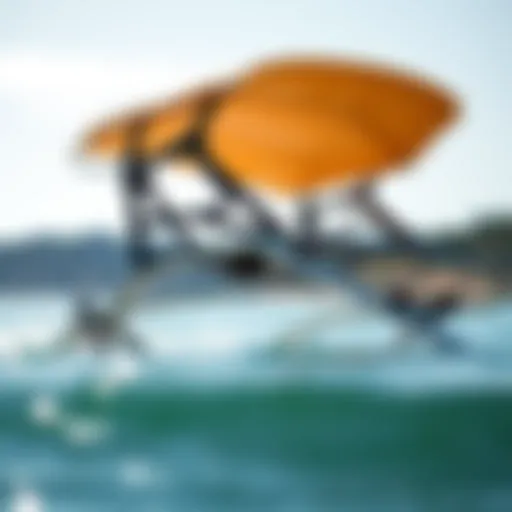
The foil configuration on a prone foil board can make or break the riding experience. Typically, foil setups include a mast, wings, and fuselage. The arrangement affects lift, drag, and overall ease of use. Here are some of the common configurations:
- Front Wing Size: The larger the wing, the more lift it provides, which is often preferable for beginners as it allows for easier takeoffs.
- Wing Shape: Variations like high aspect or low aspect wings offer different trade-offs between speed and stability. High aspect wings can slice through water more efficiently, while low aspect wings provide better lift at lower speeds.
- Fuselage Length: A longer fuselage can enhance stability, making it easier to ride without losing balance. However, it can also limit your ability to perform sharp turns.
Understanding these configurations allows riders to customize their setup based on their preferences and skill level, ensuring a more tailored and enjoyable prone foiling experience.
"Finding the right design elements is as important as learning to ride; it can revolutionize how you experience the sport."


By grasping the intricacies of materials, sizes and shapes, and foil configurations, riders can make informed choices that align with their style and enhance their time on the water. It’s not all about hitting the waves; making the right decision in board design can lead to discovering new potentials in this exciting watersport.
Advantages of Prone Riding
Prone riding offers an array of advantages that set it apart in the diverse realm of foil boarding. Many avid enthusiasts and novice riders alike discover that this method not only enhances the excitement of the sport but also provides a layer of safety and performance that other styles may lack. In this section, we will break down these advantages into key elements, delving into how they impact the overall riding experience and the skills required to master this exhilarating water activity.
Enhanced Balance and Control
One of the remarkable benefits of prone riding is the significant improvement in balance and control. When lying flat on the board, riders find themselves closer to the water's surface, which provides a stable platform for generating power and making swift adjustments. This low center of gravity is crucial; it allows for precise movements and better handling, especially in choppy waters. Riders often find that subtle shifts in weight to their hips or shoulders translate into efficient maneuvers, allowing for a feeling akin to dancing with the waves.
"Lying flat transforms the sport. You feel the water, connect with every ripple, and that’s when instinct takes over."
Additionally, prone riding cultivates a heightened awareness of the board's positioning in the water. Riders develop a sense of where the foil is located beneath them, allowing for improved spatial awareness. It comes in handy while navigating waves or executing turns, thereby fostering a sense of confidence that can help beginners advance their skills quicker than they might expect.
Lower Physical Strain
Another crucial advantage of prone foil boarding is the reduced physical strain on the body. Traditional surfing or stand-up paddleboarding can indeed take a toll on various muscle groups, particularly the legs and back. When faced with grinding against waves while standing, riders might experience fatigue sooner than they'd like. In contrast, prone riding minimizes this strain due to the ergonomic position it allows—your body lies flat, distributing weight more evenly and allowing for a relaxed grip and posture.
Moreover, as riders engage in longer sessions on the water, those seeking a less physically demanding experience will appreciate that prone boards typically require less core strength to maintain balance and control. This opens up opportunities for a broader audience to engage in the sport—especially those who might be hesitant due to fitness concerns. By reducing physical strain, prone riding welcomes enthusiasts of all ages and abilities to enjoy the thrill of foiling.
Increased Speed and Agility
Prone foil boards often lend themselves to increased speed and agility as well. With the rider in a horizontal position, the board can slice through the water more efficiently. This streamlined approach can lead to quicker acceleration, making it easier to catch waves or speed up in more turbulent conditions. As riders become accustomed to their boards, many find that they can hone their technique to perform rapid turns and shifts with minimal effort, allowing for exciting and dynamic rides.
Whether you're gunning for the next wave or zig-zagging through smaller ones, the ability to accelerate quickly only adds to the allure of prone riding. This ability to perform agile maneuvers turns every outing into a chance to explore your limits while enjoying the feeling of flying above the water.
As we continue to explore different elements surrounding prone foil boarding, these advantages form the foundation of a rewarding experience both for newcomers and seasoned riders.
Techniques for Prone Foil Boarding
The techniques involved in prone foil boarding are at the heart of mastering this exhilarating sport. The nuances of each maneuver can greatly affect performance and enjoyment, so understanding them is essential. Whether you’re an eager beginner or a seasoned rider, these techniques help enhance your skills, making you not just a participant, but also someone who can appreciate the art of foil boarding. Understanding the fundamentals can be the difference between shredding the waves and just floating along.
Getting Started with Prone Foil Boarding
When starting with prone foil boarding, the first thing is to choose the right board suited to your skill level. Beginners often benefit from wider boards that offer stability and easier balance. Strapping in is the next crucial step. It’s vital to ensure that your straps are secure but comfortable, allowing for swift release if needed. After getting outfitted, practice your paddling technique. A strong paddle ensures you can catch the wave and quickly position yourself for takeoff. Remember, patience is key; don’t rush your learning. The initial phase can be daunting, but that’s part of the journey.
Once you feel comfortable in the water, it’s about feeling the rhythm of the ocean. Position yourself well by lying flat, with your chest resting on the board. Keep your body relaxed and parallel to the water. If you feel comfortable, start with gentle waves to build your confidence before going for bigger swells. Staying focused on balance and proper body alignment will set a solid foundation for the next steps in your foil boarding adventure.
Mastering the Takeoff
Taking off is perhaps the most exciting, yet nerve-wracking part of prone foil boarding. It involves shifting your weight at just the right moment to lift off the water. A common mistake beginners make is to over-lean forward, which can lead to a faceplant instead of a graceful lift. To master the takeoff, start by catching the wave at the right angle. As you begin to ride the swell, shift your weight gently forward while keeping the lower part of your body stable on the board.
You should try to engage your core to help direct your movements. Timing is everything - as the wave pushes you, the foil will want to rise. Hold your breath, keep your eyes on where you want to go, and pull your knees up slightly toward your chest to assist the hydrofoil in surfacing. This action can make all the difference between an exhilarating glide and a jarring tumble.
"Foil boarding is less about brute strength, and more about finesse and flow. Once you get the feel, it’s sheer joy on the water."
Navigating Turns and Maneuvers
After mastering the takeoff, the next step is to navigate turns and maneuvers, allowing for more control and creativity in your ride. Initiating a turn successfully requires you to adjust your weight evenly; leaning too much one way can send you off balance. Start with gradual turns before moving to sharper angles. A common technique is to look toward your desired direction of travel; your body tends to follow where your eyes are focused.
As you turn, you’ll want to shift your weight from your back foot to your front. Maintaining a smooth transition helps prevent unnecessary distance from the water. It’s also helpful to practice your foot placement. Keeping your feet in line helps prevent slipping and promotes a more solid grip on the board under changing conditions. Regularly practicing these turns, even in calm water, can dramatically enhance your control over the board when conditions change.
A vital part of turning is maintaining momentum. As you transition into a turn, make sure to keep speed up while modulating your technique to avoid catching the foil too hard. This can lead to crashing back into the water instead of gliding majestically through the air. With perseverance and practice, these skills can elevate your whole experience, making you more confident and agile in the water.
Navigating the bumps and waves is not just about skill; it embodies the essence of foil boarding itself. With each fluid movement, you’re blending into the rhythm of the water, carving out your own line against the backdrop of nature.
Safety Considerations
When engaging in prone foil boarding, safety should be paramount. The thrill of gliding above the water can overshadow potential risks, but understanding safety considerations can lead to a more enjoyable experience. In this section, we will delve into protective gear, water condition awareness, and necessary emergency protocols, all designed to enhance your safety when hitting the waves.


Protective Gear Recommendations
Before you even think about heading to the water, it’s smart to gear up. Here are some essential items you should consider wearing:
- Impact Vest: A good impact vest offers flotation while protecting your torso from potential injuries during falls. Think of it as your safety net, cushioning those unexpected bumps.
- Helmet: This is often an overlooked piece of safety equipment, yet it’s crucial. A helmet can safeguard against head injuries, especially in areas with strong currents or rocky shores.
- Wetsuit: The right wetsuit not only keeps you warm but also adds a layer of protection against abrasions from the board and marine life. In colder waters, a wetsuit can be a lifesaver.
- Leash: This is a small but vital piece of equipment. A reliable leash keeps your board within reach if you take a tumble, preventing it from becoming a hazard for others.
By adopting these recommendations, you’re setting the foundation for a safer ride.
Understanding Water Conditions
Feeling the pulse of the water is crucial for any prone foiler. Understanding what’s beneath the surface or even the surface itself can mean the difference between a fun outing and a dangerous situation. Some key factors to keep in mind include:
- Wave Patterns: Before you plunge into the water, take a moment to observe the waves. Small waves might offer a gentler ride, while larger waves could present more challenges due to their size and force.
- Tides: Depending on the geographical location, tides can vastly affect water depth and hazards. Familiarize yourself with local tide charts to avoid unpleasant surprises.
- Wind Conditions: Strong winds can create choppy waters, making control of your board difficult. A gentle breeze is fine, but if the flags are flapping wildly, it might be a good idea to wait for calmer conditions.
- Locating Hazards: Look out for signs indicating submerged rocks, shallow areas, or even swimming zones. Staying informed can help avoid collisions and ensure a smoother ride.
Ensuring that you understand the water conditions is not just about safety; it also enhances your overall foiling experience, allowing for a more fulfilling ride.
Emergency Procedures
Despite all precautions, emergencies can still occur, and knowing how to react can save lives. Here are basic procedures every prone foiler should be familiar with:
- Stay Calm: In any emergency situation, keeping a level head is crucial. Panicking can lead to poor decisions. Take a breath and assess your situation.
- Signal for Help: If you're in distress, don’t hesitate to signal nearby surfers or boats. Your safety is more important than pride.
- Know Your Exits: Familiarize yourself with the shore layout before you get in the water. If you need to get out quickly, know your best routes to safety.
- Learn Basic Rescues: Familiarity with how to perform a basic rescue can be invaluable. Knowing how to assist another boarder or even be assisted in return can save time and prevent injury.
- First Aid: Have some basic first-aid knowledge and supplies on hand. This includes knowing how to treat minor cuts or bruises that could happen in an accident.
By equipping yourself with the knowledge of emergency procedures, you increase not just your own safety but the safety of those around you on the water.
Popular Brands and Models
The realm of prone foil boards is quite diverse, and understanding the landscape of popular brands and models is crucial for enthusiasts and newcomers alike. Just like a chef needs the right tools to create a culinary masterpiece, riders need reliable boards that enhance their performance and enjoyment. A well-made foil board ensures not only better control and stability but also a more enjoyable ride on the water.
When it comes to choosing a board, factors like material, shape, and overall design can significantly influence the experience. Each brand usually has its unique selling points, be it advanced technology, durability, or weight. Taking time to compare different models can help you find the best fit for your personal style of riding and skill level.
Leading Manufacturers
Several leading manufacturers have carved their niches in the prone foil boarding market. Understanding these brands can make the difference between a good purchase and a great one.
- Naish
Known for their innovation, Naish has been a recognized name in the watersports industry. Their boards feature cutting-edge designs that balance performance with user-friendliness. - Slingshot
This brand is celebrated for its rigorous research and development. Slingshot boards focus on responsiveness and stability, appealing notably to those who want to push their limits. - Duotone
Established as a premium brand, Duotone combines modern styling with high-quality materials. Their attention to fine detail results in boards that not only perform well but look great on the water. - Fanatic
They offer a wide range of boards that cater to both beginner and advanced riders. Fanatic’s boards are known for their balanced design and solid construction.
Comparative Features of Top Models
A close look at the most popular models reveals what each brand offers, giving insights that can guide purchase decisions.
- Price Range
Pricing often reflects the technology and materials used. For instance, Naish boards generally sit at a mid to high price point due to their advanced technology. On the other hand, brands like Fanatic might provide more budget-friendly options without sacrificing quality. - Material Composition
The choice of materials affects weight and durability. Brands like Slingshot use high-grade composites that reduce weight while maximizing strength — a vital point when maneuvering at speed. - Size Options
Leading manufacturers usually offer a variety of sizes. Some models from Duotone provide compact sizes for those seeking agility, while others might favor larger sizes for stability during rough water conditions. - Foil Configurations
Different models come with various foil setup options, impacting performance. Both Naish and Slingshot offer easy customizable foil configurations, allowing riders to adapt to their skill levels and preferences.
"Choosing the right prone foil board can significantly enhance your riding experience. Be sure to scrutinize the details of each brand and model."
- User Reviews
It’s always a good idea to check user feedback online. Websites like Reddit often have extensive discussions on the performance of these boards under various conditions and for different skill levels.
In summary, being knowledgeable about popular brands and models equips riders with the necessary understanding to make informed decisions, thereby enhancing their experience in the water. With several leading manufacturers consistently pushing boundaries, the world of prone foil boarding continues to evolve, catering to the needs and desires of its community.
Maintenance and Care for Prone Foil Boards
Taking care of your prone foil board is not just about keeping it looking good; it’s vital for ensuring the board's longevity and performance. Whether you are a casual rider or a hardcore enthusiast, understanding the maintenance needs of your board contributes to an enhanced experience on the water. Proper care can prevent costly repairs and extend the lifespan of your gear, which is key for anyone who loves riding the waves. Engaging regularly in upkeep also helps ensure safety against equipment failures during performance.
Cleaning and Storage Tips
Keeping your prone foil board clean might seem like a no-brainer, but it’s more than just aesthetics. After every session, rinse off the salt water and any sand that may cling onto your board. Salt can cause corrosion, especially around sensitive areas like the foil attachment. Use fresh water to avoid any buildup. Moreover, drying it off before storage can prevent mold growth and ensure that your gear stays in top shape.
When it comes to storage, the location matters significantly. Avoid leaving your board exposed in direct sunlight for prolonged periods. UV rays can degrade the materials over time. Instead, store it in a cool, dry place. If possible, keep it in a padded bag – this will provide protection against dings and scratches.
Here are specific tips for maintaining cleanliness and care:
- Rinse your board after each use to remove saltwater residue.
- Store in a padded bag to prevent physical damage.
- Keep away from heat sources and direct sunlight.
"A little diligence goes a long way; regular care can save you a headache down the line!"
Common Repairs and Troubleshooting
Despite your best efforts, wear and tear are inevitable. Knowing how to address common issues can save time and money. Start with the foil; check for any visible damage. Bent or damaged foils affect balance and can lead to poor performance. If you notice cracks or chips, consider a professional repair. They often have specialized ways to fix the problem effectively.
Another area to keep an eye on is the board itself. If you start to feel inconsistent buoyancy, check the integrity of the board. Look for signs of delamination, which might present as bubbles, especially around areas where the foil attaches. If you find any signs, a repair kit specifically designed for epoxy boards can be a straightforward fix.
Common repairs could include:
- Foil alignment issues: Often can be resolved by repositioning the foil according to the manufacturer instructions.
- Small scratches and dents: Most can be filled and sanded down using a repair kit.
- Leaky areas: Use marine-grade sealant if there’s water penetrating.
Educating yourself on these aspects can dramatically enhance your foil boarding journey, ensuring that your equipment stands the test of time and brings joy for many seasons ahead.
Community and Culture of Foil Boarding
The community and culture of foil boarding represent an essential aspect of this fascinating sport. It goes beyond the mere act of gliding atop water with a foil board; it embodies a lifestyle, a shared passion among enthusiasts, and a means of connecting with nature and like-minded individuals. Understanding this facet can genuinely enhance one's experience in the realm of prone foiling.
Events and Competitions
Events and competitions serve as the lifeblood of the foil boarding community. They act as a platform for riders to showcase their skills, but they’re more importantly a gathering place where riders share knowledge and camaraderie. From local beach challenges to international championships, these events facilitate both competitive spirit and community bonding.
- Local Meetups: Many towns with a coastline often host informal meetups where enthusiasts can exchange tips and techniques. These gatherings nurture new friendships and create a shared learning environment, enhancing everyone's skills over time.
- Competitions: Events such as the World Paddle Association’s competitions draw participants from around the globe. They not only provide a stage for riders to test their mettle against one another but also showcase the evolution in foil board designs and riding techniques.
- Skill Development Workshops: Some events include workshops led by professional riders. These sessions help riders at all levels—be it novices or seasoned pros—to refine their craft.
Navigating the competitive landscape brings visibility to the sport while also inspiring newcomers to dive into foil boarding. The shared joy of participating in events cultivates a deeper connection among participants, fostering a sense of belonging.
Online Communities and Resources
In today’s digital age, online communities have become nodes of information and support for foil boarders worldwide. They provide an invaluable resource for advice, encouragement, and inspiration.
- Social Media Groups: Platforms like Facebook and Instagram are teeming with groups dedicated to foil riding, where members post questions, share experiences, and showcase their rides. These platforms serve as virtual meeting spots to engage with both local and international riders.
- Forums and Subreddits: Websites like Reddit host various threads focused on foil boarding. Enthusiasts can find discussions on gear reviews, riding tips, and the latest in foil technology. The feedback from diverse users enhances overall community knowledge.
- Video Tutorials: YouTube has a treasure trove of instructional videos that cater to all skill levels. Watching and learning can be immensely advantageous for those just starting, helping to visualize the techniques required for mastering the sport.
- Dedicated Blogs and Podcasts: Many fans run blogs where they talk about their experiences and the latest trends in foiling. These platforms provide detailed accounts and technical insights that can be beneficial for anyone seriously engaged in the sport.
In summary, the community surrounding prone foil boarding is vibrant and supportive. Whether through local events or global online platforms, the shared experiences cultivate a culture that celebrates innovation and improvement. This interconnectedness not only enriches individual skills but also propels the sport forward, ensuring that it remains as exhilarating as it is accessible to newcomers.
"The community that grows around foil boards isn’t just a group; it’s a family united by waves and wind."
For more information, check out additional resources like Wikipedia and Reddit to further immerse yourself in the culture!
Future Trends in Prone Foil Boarding
Understanding the future trends in prone foil boarding is key for both enthusiasts and newcomers alike. As the sport develops and more adventurers dive into it, numerous elements can influence the direction of the hobby. Keeping an eye on these trends helps participants stay ahead of the curve, enhancing their experience, skills, and safety on the water. Below, we delve into two significant trends shaping the future: innovations in technology and the expanding popularity and accessibility of prone foil boarding.
Innovations in Technology
In recent years, technology has taken a significant leap towards improving the performance and safety of prone foil boards. One mustnote that innovations aren't just fancy new gadgets; they represent a fundamental shift in how enthusiasts engage with the sport. Things like lightweight materials, advanced hydrodynamic designs, and improved foiling systems are making riding not only more enjoyable but safer as well.
For instance, manufacturers are increasingly using carbon fiber composites. The benefit here is substantial—these materials offer high strength while keeping weight down. This means riders can cover greater distances with less effort. Additionally, advancements in hydrofoil design allow for better lift and stability. Modern foils come with adjustable wings that cater to various riding styles and conditions, making it easier for riders to find their sweet spot.
Not to forget, with the advancements in digital technology, we are seeing the rise of smart boards outfitted with sensors that track performance metrics such as speed, distance, and even heart rate. This data can be critical for athletes looking to push their limits. Such features could seem gimmicky at first but can ultimately offer valuable insights into improving skills over time.
"Innovation is the ability to see change as an opportunity; not a threat." —Anonymous
Expanding Popularity and Accessibility
Moreover, the sport's growing allure among various demographics plays a pivotal role in the evolution of prone foil boarding. Several factors are contributing to its rise. For starters, social media has amplified visibility, allowing users to share their experiences. As enthusiasts showcase their skills on platforms like Instagram or TikTok, more individuals are getting intrigued to try it out themselves.
Additionally, clubs and schools dedicated to teaching prone foil boarding are sprouting up in coastal areas, providing a bridge for newbies to step into the sport easily. The accessibility factor is vital. With rental hubs now more prevalent, individuals can try foil boarding without having to invest heavily in gear before determining whether it aligns with their interests.
To further amplify this trend, manufacturers are also designing entry-level boards that are more forgiving for beginners. This democratization of the sport ensures that people of varying skill set and financial backgrounds can find a place within the foiling community.
In summary, the future trends in prone foil boarding reveal a dynamic landscape of innovation and growing accessibility. Keeping an eye on these developments will be paramount for enthusiasts and newcomers alike, ensuring that this exhilarating sport reaches new heights—both literally and figuratively.